
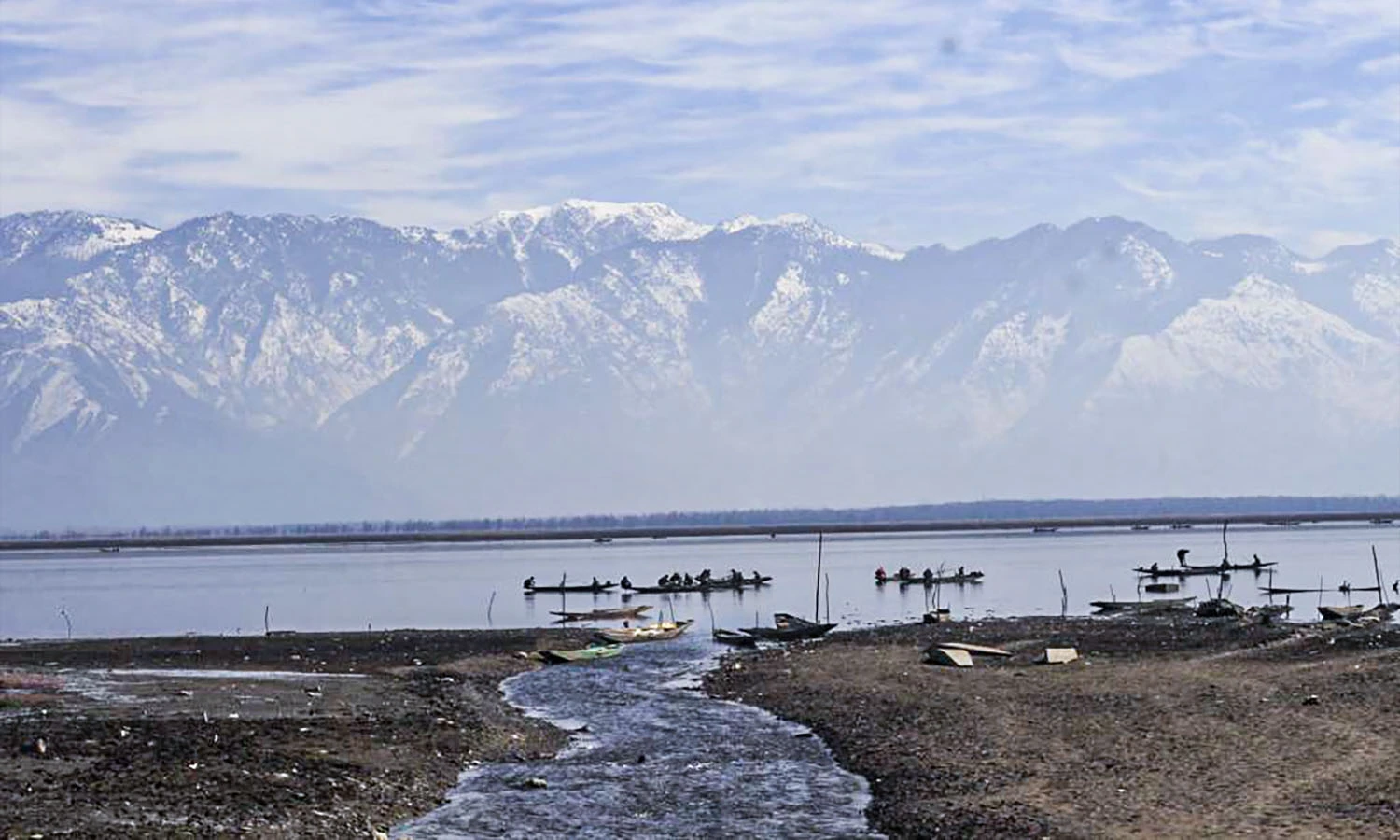
I still remember the first time a lake in Kashmir caught me off guard — not Dal Lake, not anything you’d find on a postcard, but a small, glassy pool somewhere past Sonamarg that our guide casually mentioned “most people don’t even know exists.” That’s the thing about unexplored alpine lakes trekking routes in Kashmir: the valley’s famous name pulls crowds toward the same five places, while some of its most striking water sits an extra day’s walk away, mostly ignored.
This guide is for the trekkers who want that extra day. Below is what we at Travel Nerve Kashmir consider the real, current list of unexplored alpine lakes trekking routes in Kashmir — some genuinely remote, some just overlooked, all worth the legwork.
Why Kashmir’s Lesser-Known Lakes Are Worth the Effort
Kashmir has more alpine lakes than almost anywhere else in the Indian Himalayas, and most travelers only ever see the handful that show up in every brochure. The unexplored alpine lakes trekking routes in Kashmir sit a bit further out — a longer approach, sometimes a rougher trail, occasionally a village guide who knows the way better than any map does. What you get in return is quiet. No queue for a photo, no crowd noise carrying across the water, just you, the wind, and a lake that looks like it hasn’t changed in a hundred years.
Nafran Valley and Harnag Lake
If there’s one trek that captures what unexplored alpine lakes trekking routes in Kashmir are really about, it’s Nafran Valley. The trail follows a river through dense pine and deodar forest before opening into meadows, and it stays remarkably untouched — rivers here are still clean, and you’ll likely share the trail with grazing shepherds rather than other trekkers. The highlight is Harnag Lake, a glacial lake tucked deep in the valley, with Kolahoi Glacier visible in the distance without the trek actually crossing it. This one also carries some history — old bunkers from past conflicts still sit along parts of the route, a quiet reminder of how close this valley is to the border.
Durinar Lakes, Sonamarg
Durinar might be the most literal “unexplored” entry on this whole list of alpine lakes trekking routes in Kashmir. Starting from Sarbal, often called the last village of Kashmir, the trail climbs to three separate alpine lakes — Durinar I, II, and finally Durinar III at around 4,600 meters. Locals only really started talking about these lakes in recent years, and the trail still isn’t well marked, which is exactly why serious trekkers looking for unexplored alpine lakes trekking routes in Kashmir keep gravitating toward it. The final push to Durinar III is steep, but the views back over the Lidder and Sindh valleys make the climb worth every gasping breath.
Yemsar and Khemsar Lakes
Rugged is the right word here. Yemsar and Khemsar are two untouched lakes reached through a genuinely demanding route, part of the more obscure unexplored alpine lakes trekking routes in Kashmir that don’t see the footfall better-known treks do. If you’re chasing the feeling of finding somewhere first, before it ends up on everyone’s Instagram grid, this pair delivers that in a way few remaining trails in Kashmir still can.
Kausarnag Lake
Kausarnag sits near Kulgam, further south than most Kashmir trekking routes, and that alone keeps this among the quieter unexplored alpine lakes trekking routes in Kashmir. It’s a longer, more demanding trek — figure five days round trip — through terrain that shifts from forest to open alpine slopes as you climb. The lake itself, ringed by steep ridgelines, has a slightly wilder, more austere feel than the greener lakes further north.
Tarsar-Marsar: The Semi-Popular Middle Ground
Tarsar and Marsar aren’t exactly secret anymore, but they still belong on a serious list of unexplored alpine lakes trekking routes in Kashmir, mostly because so few people actually finish the loop. Starting from Aru Valley near Pahalgam, the trail leads to Tarsar Lake at roughly 12,000 feet, its surface often mirroring the ring of mountains around it almost perfectly on a still morning. Marsar, the second lake, requires more effort and altitude gain, and a meaningful share of trekkers stop at Tarsar and skip it — which is exactly why Marsar stays quieter than its more photographed twin.
Kashmir Great Lakes: The Big One, Done Slightly Differently
The Kashmir Great Lakes trek is the best-known multi-lake route in the region among all the unexplored alpine lakes trekking routes in Kashmir, stringing together Vishansar, Krishansar, Gadsar, Satsar, Gangabal, and Nundkol over roughly seven to eight days and 75 kilometers. It’s popular enough that it doesn’t quite count as unexplored on its own — but there are quieter variations worth knowing. Extending toward Gangabal and Nundkol at the base of Mount Harmukh, or timing your trek for the shoulder season rather than peak July-August, turns even this well-known route into something closer to the solitude that draws people to unexplored alpine lakes trekking routes in Kashmir in the first place.
⛺ Experience Kashmir’s High Altitude Trekking Routes
Full trekking logistics: experienced local guides, camp gear, pack horses, and safety equipment all arranged.
👉 Explore 7-Day Kashmir Adventure Package | Customize Trekking Route
Shorter, Easier Alpine Lake Treks in Kashmir
Not every lake requires a week of hiking. If you want a taste of this without committing to a multi-day expedition:
- Tulian Lake, a one-day trek from Pahalgam via Baisaran, is manageable for most fitness levels and doable as a long day trip.
- Bodpathri Lake, in Ganderbal district, sits inside pine forest and grassland and works well as an easier introduction to alpine lake trekking.
Both are good starting points if you’re building toward the longer, more remote unexplored alpine lakes trekking routes in Kashmir on this list.
Best Time to Trek Kashmir’s Unexplored Alpine Lakes Trekking Routes
Late May through early September is the reliable window. Snow melt clears the higher passes by early summer, trails firm up, and by September the crowds thin out even on the more established routes. Winter closes almost everything on this list — heavy snowfall blocks routes into November, and most of these unexplored alpine lakes trekking routes in Kashmir simply aren’t accessible again until the following spring.
Fitness, Guides, and Permits for Unexplored Alpine Lakes Trekking Routes in Kashmir
Difficulty varies a lot across this list. Tulian and Bodpathri suit reasonably fit beginners; Tarsar-Marsar and the Kashmir Great Lakes demand real stamina and multiple days at altitude; Kausarnag, Nafran, and the Durinar and Yemsar-Khemsar routes lean toward experienced trekkers comfortable with remote, less-marked terrain. A local guide isn’t optional on the more obscure routes — trails aren’t always clearly marked, and some areas near the Line of Control require awareness that only a local operator or guide reliably has. If your trek edges toward border-adjacent regions like Gurez, permits apply, and it’s worth sorting these well before you land in Kashmir.
Planning Your Unexplored Alpine Lakes Trekking Routes in Kashmir With Travel Nerve Kashmir
Most of these unexplored alpine lakes trekking routes in Kashmir aren’t something you want to figure out solo on your first attempt — camping logistics, guide arrangements, and knowing which trail is actually passable this season make a real difference. We build treks around exactly this kind of route at Travel Nerve Kashmir, matching the trail to your fitness level and the days you have. Browse our customized Kashmir holiday packages if you want a trek woven into a broader Kashmir trip, or head to our Kashmir tour package booking page to check current dates.
If you’re extending the trip into Ladakh afterward, our guide to Ladakh road trips and high-altitude routes is worth a read, and our complete packing list for high altitude Ladakh trips covers gear that overlaps heavily with what you’ll want for these unexplored alpine lakes trekking routes in Kashmir too.
Some of the best places in Kashmir still aren’t the ones everyone talks about. Pack right, go with someone who knows the trail, and you’ll find that out for yourself.