
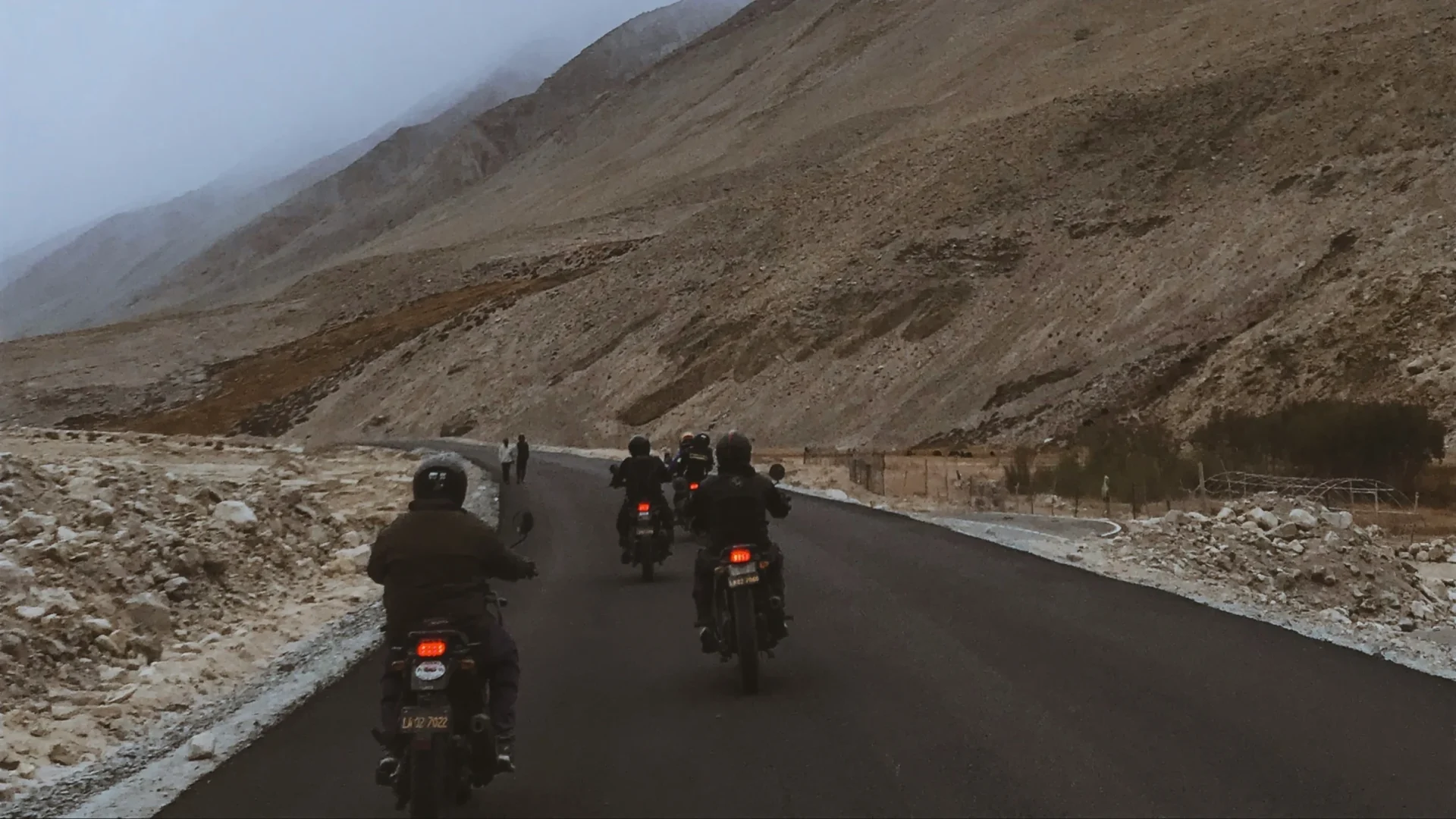
Somewhere past Sarchu, when the road turns to gravel and the last mobile bar disappears from your phone, you start to understand why people call Ladakh the roof of the world instead of just another hill destination. Ladakh road trips and high-altitude routes aren’t really about the destination at all — Leh gets all the attention, but the actual experience happens on the roads getting there, over passes that sit higher than most commercial flights cruise.
We’ve driven, guided, and occasionally worried our way through most of these Ladakh road trips and high-altitude routes at Travel Nerve Kashmir, and this guide covers what we’ve learned works: which route suits which kind of traveler, what each pass actually feels like once you’re on it, and the planning details that separate a smooth trip from a stressful one.
The Two Main Ladakh Road Trips and High-Altitude Routes
There are two classic ways to drive into Ladakh, and the choice between them shapes your entire trip.
Srinagar-Leh Highway (via Zoji La): This is the route we know best, since it starts right in our backyard. It climbs more gradually than the Manali route, passing through Sonamarg, over Zoji La, through Kargil and Drass — reportedly the second-coldest inhabited place on Earth — before descending into the Indus Valley toward Leh. The gentler ascent makes it a genuinely easier introduction to high altitude, and it’s usually the road we recommend for first-timers or anyone nervous about altitude sickness. We’ve written a full breakdown of this route, including current permit requirements, in our guide to the Srinagar to Leh road trip and permit details — one of the more forgiving Ladakh road trips and high-altitude routes you can pick.
Manali-Leh Highway: This is the classic adventure route, and honestly, it earns that reputation. It crosses Rohtang Pass, Baralacha La, Lachulung La, and Tanglang La in fairly quick succession, gaining altitude faster than the Srinagar route and testing both vehicle and nerves along the way. It’s spectacular, but it’s a tougher trip — steeper climbs, thinner acclimatization buffer, and longer stretches without fuel or food. If you’ve done high-altitude driving before and want the harder, more dramatic version of the journey, this is it.
Some travelers do both — Srinagar in, Manali out, or the reverse — turning these two Ladakh road trips and high-altitude routes into one long Himalayan loop rather than a there-and-back trip.
Khardung La and the Road to Nubra Valley
Once you’re settled in Leh, Khardung La is usually the first big pass on the list among Ladakh road trips and high-altitude routes, and for good reason. It connects Leh to Nubra Valley and is one of the most famous motorable passes anywhere in the world. The climb out of Leh is steep and switchback-heavy, but the payoff — sand dunes and Bactrian camels waiting on the other side in a landscape that looks nothing like the rest of Ladakh — makes it one of the most talked-about legs of any Ladakh trip.
If Khardung La is closed or crowded, Wari La offers a quieter alternate route between Nubra and Shyok Valley. It’s rougher, with unpaved stretches and the occasional water crossing, so it suits travelers who want a slightly wilder, less-photographed version of the same general area.
Chang La and the Route to Pangong Lake
Chang La is the pass most people cross to reach Pangong Lake, and it’s one of the highest points on any standard Ladakh itinerary among the region’s road trips and high-altitude routes. The road here tends to be well maintained given how much traffic it sees, but the altitude itself is no joke — this is usually where travelers first really feel the thin air, even if they handled Khardung La fine a day or two earlier.
An alternate route via Shyok village lets you reach Pangong while skipping both Khardung La and Chang La in the same trip, which is worth knowing if you’re managing altitude sickness symptoms or simply want to break up back-to-back high passes on your Ladakh road trips and high-altitude routes.
🚙 Drive the Himalayan Passes Hassle-Free
Book private tempo travellers or SUVs with expert mountain drivers for Khardung La, Nubra Valley, and Pangong Tso.
👉 Explore 8-Day Ladakh Road Trip Package | Plan Custom Road Trip
Offbeat and Remote High-Altitude Routes in Ladakh
Beyond the well-worn Leh-Nubra-Pangong triangle, Ladakh’s road trips and high-altitude routes get a lot quieter, and the extra effort tends to pay off.
The Changthang and Zanskar regions hide passes most first-time visitors never hear about — Marsimik La, among the highest motorable roads anywhere, and Umling La, which currently holds the record for the world’s highest motorable pass. These aren’t casual detours. Roads are rough, services are sparse, and altitude sickness risk climbs with every thousand feet, so these routes suit experienced high-altitude travelers rather than a first Ladakh trip.
Tso Moriri, reached through remote passes like Namashang La, is often mentioned in the same breath as Pangong but sees far fewer visitors — a genuinely quieter option among Ladakh road trips and high-altitude routes if you have the extra days and the right vehicle for it.
What Actually Makes These Ladakh Road Trips and High-Altitude Routes Hard
It’s rarely the driving itself that catches people off guard — it’s everything altitude does to your body while you’re doing it. Oxygen levels at these elevations drop well below what you’re used to at sea level, and pushing straight into high passes without acclimatizing first is the single biggest mistake we see. Spend at least 48 hours resting in Leh before attempting any major pass. Headaches, breathlessness, and dizziness in the first day or two are common; if they get worse rather than better, descend and don’t push through it.
Roads themselves add their own complications — landslides, sudden snowfall even in summer, and long stretches with no fuel station or phone signal. This isn’t a route where you wing it with a half-tank and good intentions.
Getting Your Vehicle and Gear Ready for Ladakh Road Trips and High-Altitude Routes
A road trip through Ladakh’s high-altitude routes puts real strain on a vehicle. If you’re self-driving, a 4×4 in good mechanical condition is strongly preferred over a standard sedan, and it’s worth having brakes, tires, and coolant checked before you leave rather than discovering a problem at 17,000 feet. Carry extra fuel where stretches between stations run long, particularly on the Manali route.
On the packing side, our complete packing list for high altitude Ladakh trips covers the layering, medicines, and gear you’ll want for these Ladakh road trips and high-altitude routes, most of it applying whether you’re behind the wheel or riding along.
Best Time for Ladakh Road Trips and High-Altitude Routes
Both highways typically open from around late May through September, once winter snow clears from the highest passes. June through August is peak season with the most stable road conditions; September brings quieter roads and cooler temperatures, though an early snowfall can occasionally close a pass without much warning. Outside this window, most of these Ladakh road trips and high-altitude routes simply aren’t drivable — plan around the season rather than trying to force a date.
Planning Ladakh Road Trips and High-Altitude Routes With a Local Team
Navigating Ladakh’s high-altitude passes, shifting route conditions, and remote fuel stops requires up-to-date local knowledge. Travel Nerve Kashmir handles the guesswork by providing complete itineraries with reliable drivers, vehicles, and advance permits arranged for you. Check out our Ladakh 4 Nights 5 Days tour package 2026 for a ready-to-go itinerary, customize a combined Kashmir-Ladakh trip, or visit our Kashmir tour package booking page to lock in your dates!
However you plan your Ladakh road trips and high-altitude routes, go in with respect for the altitude and flexibility in your schedule. The roads don’t care about your itinerary, but they tend to reward the people who don’t rush them.