
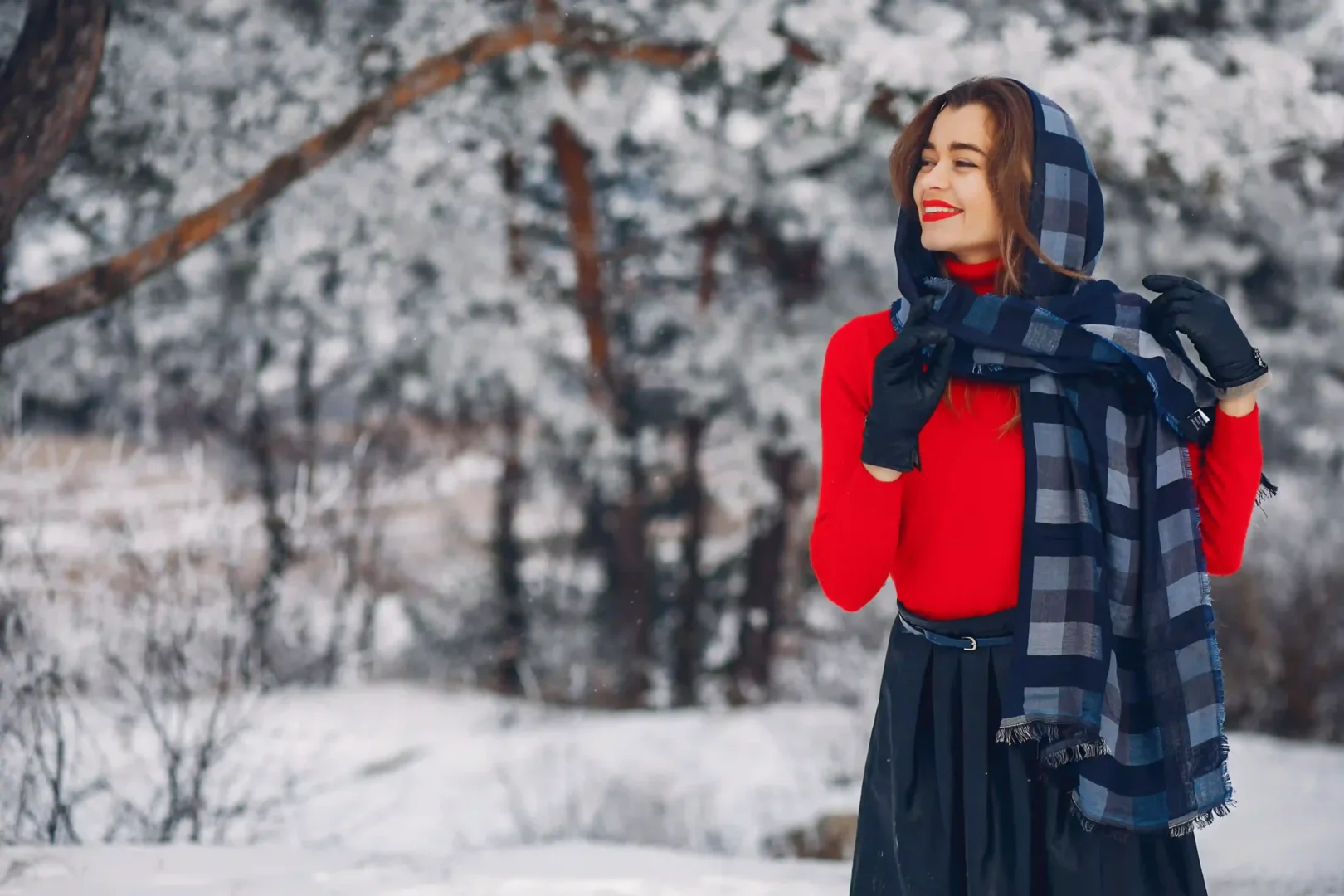
A proper Kashmir winter packing guide is the difference between a magical, cozy snow trip and a genuinely miserable one. Winter here runs November to February, with temperatures in Gulmarg and Sonmarg regularly dropping to -2°C to -15°C, and Srinagar itself falling well below freezing on the coldest nights of Chillai Kalan. Packing wrong doesn’t just mean discomfort — it can cut a snow day short before it’s even started.
Travel Nerve Kashmir sends every winter guest a version of this exact list before departure. Here’s the complete guide — what to wear, what gear to carry, and the mistakes most first-time winter visitors make.
Kashmir Winter Packing Guide: Understanding Kashmir’s Winter Temperatures
December opens the season with days that can still feel mild before dropping sharply below freezing, particularly in Gulmarg and Sonmarg. January, during Chillai Kalan, is the coldest stretch, with daytime highs often staying below freezing and nights dropping further still. February holds similar cold with slightly more snow on the ground than January. Any Kashmir winter packing guide worth following should treat night-time cold as the real benchmark, not the milder daytime temperature you might see quoted.
Kashmir Winter Packing Guide: The Layering System That Actually Works
Base Layer
Thermal tops and bottoms worn directly against the skin. Pack at least two sets, since drying time in Kashmir’s humid winter air can be slow, and you’ll want a dry pair while the other is washed.
Mid Layer
A wool sweater or fleece jacket for insulation. This is the layer that actually traps body heat, so don’t skip it even if your outer jacket looks warm enough on its own.
Outer Shell
A heavy, waterproof, windproof jacket, ideally with a hood. This is non-negotiable for snow days in Gulmarg or Pahalgam, where wind chill makes the actual temperature feel considerably colder than the number on a weather app.
Kashmir Winter Packing Guide: Complete Clothing Checklist
- 2 sets of thermal inners (top and bottom)
- 2–3 wool sweaters or fleece jackets
- 1 heavy waterproof, windproof outer jacket
- Thick woolen or thermal-lined trousers
- 4–5 pairs of wool socks
- Insulated, waterproof gloves
- A woolen cap covering the ears
- A scarf or shawl for extra neck and face protection
Kashmir Winter Packing Guide: Footwear and Accessories
Anti-skid, waterproof snow boots are essential — regular sneakers or leather shoes offer no grip on icy or snow-packed paths and will leave your feet cold within minutes. Many first-time visitors rent proper snow boots locally in Gulmarg rather than buying a pair they’ll rarely use again, which is a genuinely practical option worth considering.
Kashmir Winter Packing Guide: Gear Beyond Clothing
- Sunscreen and sunglasses — snow glare at altitude causes sunburn and eye strain faster than most travellers expect.
- Lip balm and moisturiser for the dry, cold air.
- A power bank, since cold weather drains phone batteries noticeably faster.
- A small daypack for carrying layers you remove as the day warms up.
Kashmir Winter Packing Guide: A Local Touch — Pheran and Kangri
Locals stay warm with a pheran, a long traditional woolen cloak, often worn with a kangri, a small portable firepot tucked inside for warmth. Renting a pheran for a day is a popular way for visitors to experience local winter style firsthand, and many houseboat and hotel stays can arrange this on request.
Kashmir Winter Packing Guide: What Changes by Destination
- Srinagar: Cold but slightly milder than the hill stations; heavy layering still needed, especially after sunset.
- Gulmarg: The coldest, snowiest stop on most itineraries; full winter gear and proper snow boots are essential here.
- Pahalgam and Sonmarg: Similarly cold to Gulmarg, with less wind exposure in sheltered valley areas but still requiring full winter layering.
Kashmir Winter Packing Guide: Common Mistakes to Avoid
- Packing cotton t-shirts or shirts as a base layer — cotton holds moisture and offers little insulation once damp.
- Bringing only one heavy jacket instead of a proper layering system.
- Underestimating how much colder nights get compared to daytime highs.
- Skipping snow boots in favour of regular winter shoes with no grip.
❄️ Plan Your Hassle-Free Kashmir Winter Snow Trip
We build custom winter itineraries complete with heated stays, reliable 4×4 snow transfers, authentic local pherans, and pre-departure packing support tailored to your travel dates.
👉 Explore Kashmir Winter Tour Packages | Browse All Tour Packages
Kashmir Winter Packing Guide: Explore Related Guides
If skiing is part of your trip, our guide on planning a winter ski trip to Gulmarg covers gear rental and slope logistics. For timing your visit around the best snow, see best time to visit Kashmir for snowfall. For where to stay, our Khyber Gulmarg stay package guide and heritage houseboat stay Dal Lake guide cover winter-ready accommodation options. Heading onward to Ladakh instead? Our complete packing list for high altitude Ladakh trips covers that region’s different altitude-driven gear needs.
Kashmir Winter Packing Guide: Book With Travel Nerve Kashmir
We’re a local, Kashmir-based team offering 24/7 support on ground, and we send every winter guest a personalised packing checklist ahead of their trip, along with honest advice on what to rent locally versus what’s worth carrying from home.
Share your travel dates, and we’ll help you plan an itinerary that matches what you’ve packed and what you want to experience.
Kashmir Winter Packing Guide: FAQs
What’s the single most important item on a Kashmir winter packing list?
A proper waterproof, windproof outer jacket. Without it, even good base and mid layers won’t hold up against Gulmarg or Sonmarg’s wind chill.
Can I rent winter gear in Kashmir instead of buying it?
Yes, snow boots, jackets, and other gear are widely available for rent in Gulmarg, which is often more practical than buying items you’ll rarely use again.
How cold does it actually get in Kashmir in winter?
Temperatures in Gulmarg and Sonmarg typically range from -2°C to -15°C, with January’s Chillai Kalan period being the coldest stretch of the season.
Is cotton clothing okay for a Kashmir winter trip?
No. Cotton holds moisture and provides poor insulation once damp; thermal wear and wool are far better choices for the base and mid layers.