
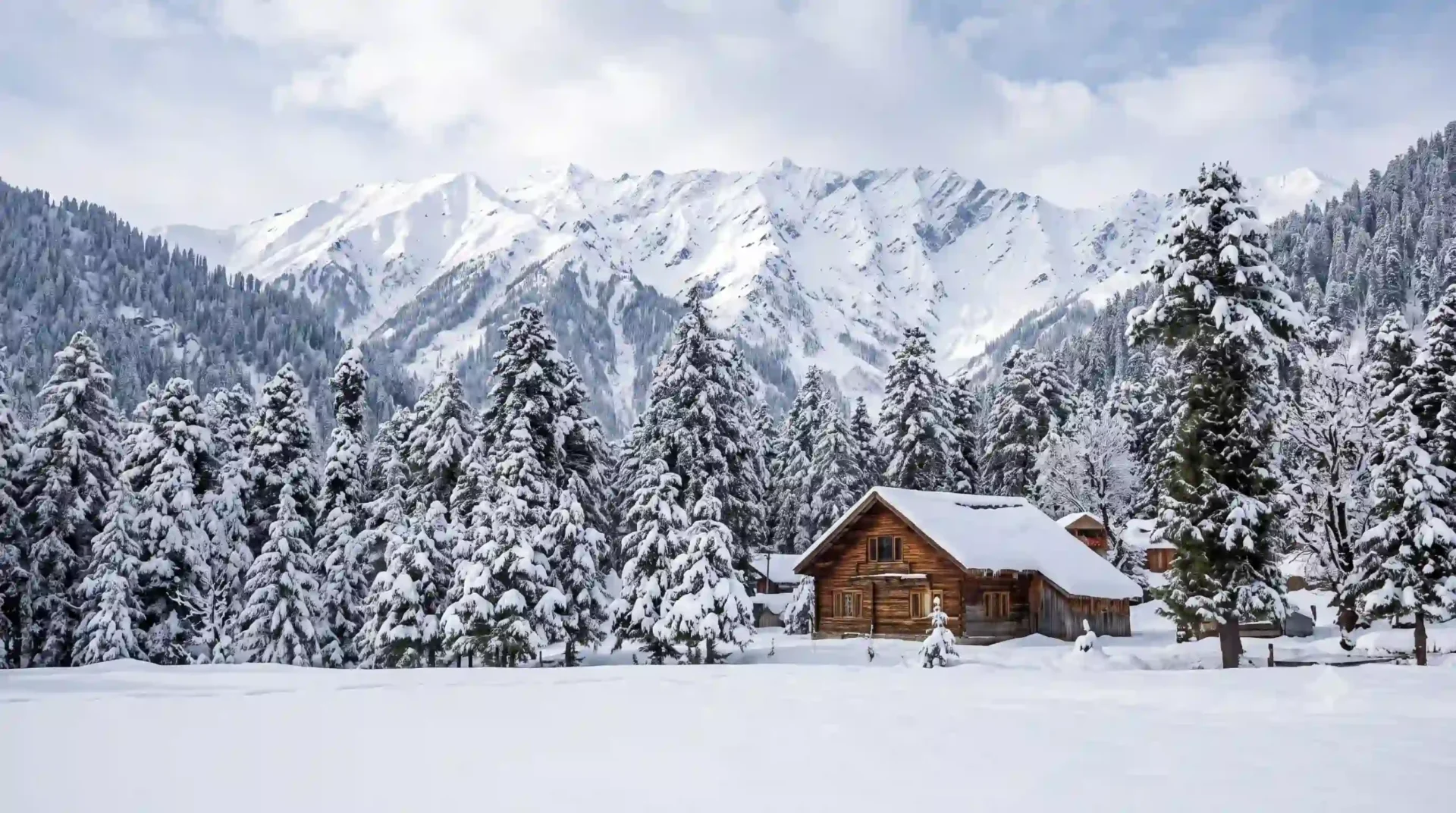
If you’ve spent any time researching a Kashmir winter trip, you’ve probably come across the term Chillai Kalan without anyone quite explaining what it means for your actual travel dates. It shows up in weather reports, in Kashmiri folklore, and increasingly in mainstream travel searches — but most of what’s written about it either treats it as a cultural curiosity or drops it into a bullet point on a broader “best time to visit” list. Neither approach tells you what you actually need to know: whether this is the window you should be planning your trip around, and what it’s really like on the ground if you do.
It is a Persian term — roughly “the major cold” — for the harshest 40-day stretch of the Kashmiri winter, and it’s the backbone of any honest answer to “when should I visit Kashmir for snow.” This guide covers what it actually is, exactly when it falls, what daily life and travel look like during it, and how to decide if it’s the right window for you.
What Is Chillai Kalan?
Chillai Kalan runs from December 21 to January 31 every year — a fixed 40-day period, not a loose seasonal estimate, and it’s pinned to the winter solstice rather than to actual weather patterns. The name comes from Persian, reflecting centuries of Persian cultural influence in the valley: “chilla” refers to a forty-day period, and “kalan” means major or great. It’s the coldest, snowiest phase of the Kashmiri winter, and it’s when the valley’s water bodies — including sections of Dal Lake — are most likely to freeze over.
It isn’t the whole of winter, though. It’s the first and harshest of three linked phases:
- Chillai Kalan (December 21 – January 31): 40 days. The core cold. Heaviest and most consistent snowfall, sub-zero nights, frozen water bodies.
- Chillai Khurd, “the small cold” (January 31 – February 18): 20 days. Still genuinely cold and still snowy, but the intensity starts to ease.
- Chillai Bachha, “the baby cold” (February 19 – February 28): 10 days. The tail end of winter — unpredictable, sometimes mild, sometimes a last cold snap before spring starts.
Together these three phases make up roughly 70 days of Kashmir’s traditional winter calendar, and it’s the one that matters most if snow is the reason you’re coming.
What Chillai Kalan Actually Feels Like
This is the part most travel-focused pages skip. During this stretch, daytime temperatures in Srinagar typically sit in the low single digits (Celsius), and nights regularly drop well below freezing — Gulmarg and other high-altitude spots go colder still. Snow that falls during this window tends to stay, since the cold is consistent enough that it doesn’t melt between spells, which is part of why standing snow cover is more reliable during Chillai Kalan than in early December or March.
Daily life genuinely slows down. Traditionally, Kashmiri households leaned on preserved and dried foods through this stretch, and you’ll still see that reflected in winter menus today. The kangri — a portable earthenware fire pot carried under a pheran (the traditional woolen cloak) — and kahwa, the saffron-spiced green tea, aren’t tourist props during Chillai Kalan; they’re how people actually stay warm. If you want a sense of what else is on the table this time of year, our guide to Kashmir cuisine and its 15 essential dishes is worth a look before you go. You can also check traveler reviews and ratings on our google profile Link
Is Chillai Kalan the Best Time to Visit Kashmir?
For snow specifically, yes — this is when snowfall is most frequent and most likely to stick, which is exactly why it anchors our broader guide to the best time to visit Kashmir for snowfall. But it’s worth being honest about the trade-offs rather than just selling the postcard version:
What you get: the most reliable snow cover of the year, Gulmarg at its skiing best, a real chance of catching Dal Lake partially frozen, and a Kashmir that looks genuinely different from the green-meadow version everyone posts in summer.
What you should plan around: flight delays and occasional cancellations at Srinagar airport are common during heavy Chillai Kalan spells, since fog and low visibility are routine this time of year. Some roads become unreliable or close temporarily after heavy snowfall. Hotels outside the main tourist hubs may rely on bukhari or hamam heating rather than central heating, which is atmospheric but takes some adjusting to if you’re not used to it. None of this should rule the season out — it just means building in flexibility rather than a tightly packed itinerary.
Who Should Visit Kashmir During Chillai Kalan?
Chillai Kalan is the best time to visit Kashmir if snow is the main reason for your trip. But it isn’t necessarily the best choice for every type of traveller.
Chillai Kalan is ideal for:
- Travellers who specifically want to see fresh snowfall and standing snow
- Skiing and winter sports enthusiasts visiting Gulmarg
- Couples looking for a proper Kashmir winter experience
- Photographers interested in snow-covered landscapes
- Travellers comfortable with cold weather and flexible travel plans
You may want to choose another season if:
- You prefer predictable road and flight conditions
- You are travelling on a very tightly scheduled itinerary
- You want to explore remote areas that may become difficult to access during snowfall
- You are uncomfortable with very cold temperatures
- You are travelling mainly for green valleys, gardens and outdoor sightseeing
The most important thing to understand is that Chillai Kalan rewards flexibility. A heavy snowfall can make your Kashmir trip unforgettable, but it can also temporarily change road plans, sightseeing schedules or flight timings. Travellers who keep some flexibility in their itinerary usually enjoy the experience far more than those trying to follow a tightly fixed schedule.
How to Plan a Kashmir Trip During Chillai Kalan
Planning a Kashmir trip during Chillai Kalan requires a little more flexibility than planning a summer holiday.
Avoid building an itinerary where every day depends on perfect weather. Heavy snowfall can temporarily affect road access, sightseeing schedules and flights, particularly at higher-altitude destinations.
A better approach is to:
- Keep some flexibility in your daily sightseeing plans
- Avoid scheduling important return flights immediately after a high-altitude excursion when possible
- Keep an extra warm-weather or city activity option in mind
- Confirm road conditions before travelling towards Gulmarg or other higher-altitude destinations
- Choose accommodation with reliable heating
- Carry essential medicines and warm clothing rather than depending on buying everything after arrival
If snow is your main priority, don’t try to cover too many destinations in a short trip. Spending more time in Srinagar and Gulmarg with flexible plans can be more enjoyable than rushing through multiple destinations during unpredictable weather.
Things to Do During Chillai Kalan
Ski or ride at Gulmarg. This is peak season for Asia’s highest gondola-served ski terrain, and pre-booking matters more during this window than any other time of year since demand peaks alongside the snow. Our Gulmarg Gondola pre-booked package and full winter ski trip planning guide cover what to book ahead.
See Dal Lake at its most dramatic. Partial freezing is genuinely possible during a hard cold snap, and even without a full freeze, a snow-dusted shoreline and traditional bukhari heating on a houseboat is one of the more memorable ways to experience winter in the valley. Our heritage houseboat stay guide covers what that actually looks like.
Stay somewhere properly heated. Not every property handles this kind of cold equally well — if central heating matters to you, our Khyber Gulmarg stay package is built around genuine winter comfort rather than just a nice view.
Pack for real cold, not just “winter.” Layering for this stretch is different from layering for a mild December trip elsewhere in India — our Kashmir winter packing guide breaks down exactly what to bring.
Frequently Asked Questions About Chillai Kalan
What does Chillai Kalan mean?
It’s a Persian term meaning roughly “the major cold” — chilla for a forty-day period, kalan for major or great. It refers to Kashmir’s harshest 40-day winter stretch.
When exactly is Chillai Kalan?
December 21 to January 31 every year, fixed to the winter solstice rather than shifting with actual weather.
What comes after Chillai Kalan?
Chillai Khurd, a 20-day period from January 31 to February 18, followed by Chillai Bachha, a 10-day tail-end period from February 19 to February 28.
Is Chillai Kalan the coldest and snowiest time in Kashmir?
Yes — it’s the peak of both cold and snowfall reliability, though a hard Chillai Bachha cold snap in late February can occasionally surprise people who assume winter is already winding down.
Should I visit Kashmir during Chillai Kalan?
If snow is your priority, it’s the strongest window of the year. Just plan for possible flight delays, occasional road closures, and pack for genuinely sub-zero conditions rather than a mild winter trip.
Does Dal Lake actually freeze during Chillai Kalan?
Partial freezing along the edges is realistic during a hard cold spell, particularly in January. A complete freeze across the whole lake is rarer, but the shoreline ice and winter atmosphere are still worth seeing even without one.
Planning a Trip Around Chillai Kalan?
This 40-day window rewards travelers who plan for it properly — the right vehicle, the right heating, and a schedule with some give built in for weather. We’ve been running winter itineraries through this exact window since 2009, with heating-equipped vehicles, verified centrally-heated hotels, and real-time road monitoring so a snowfall day becomes a rerouted plan rather than a ruined one. Get in touch or explore our customized Kashmir holiday packages to build a trip around what you actually want to see.