
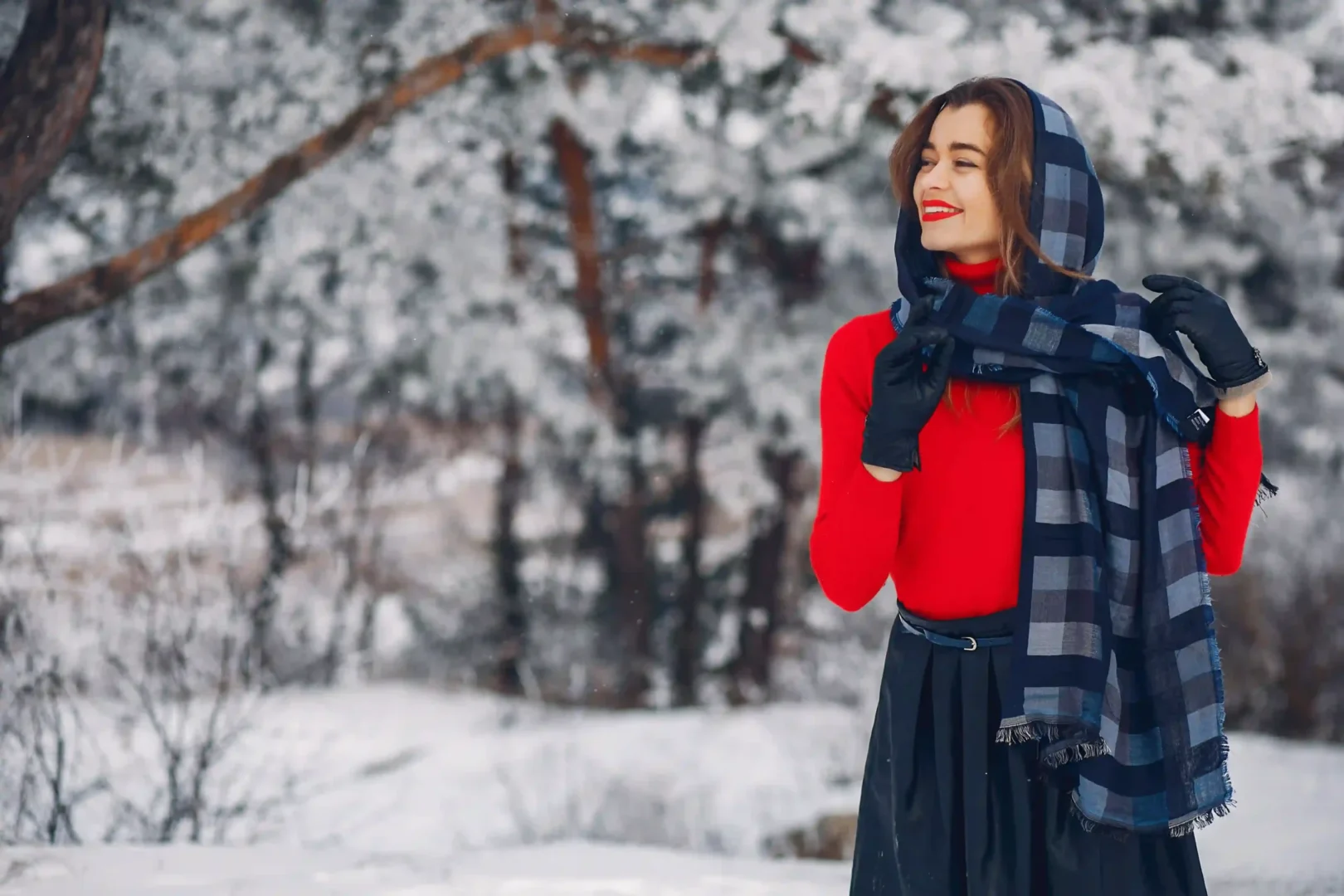
A good Kashmir winter packing guide is the difference between a cosy snow trip and a miserable one. Winter here runs from November to February. Nights in Gulmarg and Sonamarg often fall between -2 C and -15 C, depending on the year, and Srinagar drops well below freezing on the coldest nights. Packing wrong does not just mean discomfort. It can end a snow day before it starts. As a Kashmir-based team, we send our winter guests a version of this list before departure. This Kashmir winter packing guide gives it in full: what to wear, what to carry, what to rent and the mistakes first-time winter visitors make.
Winter Packing at a Glance
This short table is the core of any Kashmir winter packing guide. The sections after it explain each line.
| Item | How many | Why it matters |
|---|---|---|
| Thermal inners | 2 sets | Damp air dries slowly, so you need a spare |
| Wool sweaters or fleece | 2 to 3 | The layer that holds your body heat |
| Waterproof, windproof jacket | 1 heavy | Wind chill on snow days is harsh |
| Anti-skid waterproof boots | 1 pair, or rent | Paths turn to ice and slush |
| Wool socks | 4 to 5 pairs | Wet feet end a snow day fast |
| Insulated waterproof gloves | 1 pair, plus a spare | Hands go numb first |
| Woollen cap, neck gaiter or scarf | 1 each | Covers ears and face |
| Sunglasses, sunscreen, lip balm | 1 each | Snow glare burns skin and eyes |
| Photo ID, power bank, some cash | Always | Hotels, checkpoints and the Gondola ask for ID |
Winter Temperatures and What They Mean for Your Bag
Weather decides everything in a Kashmir winter packing guide, so start with the calendar.
December starts mild and then falls below freezing in the hill stations. The first snow in Gulmarg usually arrives between about December 10 and 20, so November often looks dry and brown rather than white. Chillai Kalan, the 40-day cold spell, runs from December 21 to about January 30 and brings the sharpest cold, as our Chillai Kalan guide explains. Chillai Khurd follows from January 31 to February 19, and Chillai Bachha from February 20 to March 2, so February stays cold too.
| Month | What to expect | Pack for |
|---|---|---|
| November | Cold nights, dry hills, little snow | Warm layers, light jacket, no heavy snow gear unless you go higher |
| December | Mild start, first snow mid-month, freezing nights | Full layers and snow boots from the second half |
| January | Coldest month, deep snow in Gulmarg | Everything on the list, plus hand warmers |
| February | Still very cold, good snow in Gulmarg | Full winter kit |
| March | Snow melts at lower levels, cold evenings | Layers and waterproof shoes |
Any Kashmir winter packing guide worth following treats the night-time cold as the benchmark, not the milder daytime figure on a weather app. Reported ranges for a Kashmir winter packing guide differ by source. One operator quotes -5 C to 5 C in Srinagar and -15 C to -5 C in Gulmarg for December to February, so build your kit for the low end.
For official advisories, check the J&K Tourism website. To choose your month, read our guide to the best time to visit Kashmir for snowfall, and for a month-by-month view of the whole Valley, see our Kashmir in winter guide. If you are travelling over the holidays, our guide to Christmas and New Year in Kashmir shows which dates are coldest and busiest.
Kashmir Winter Packing Guide: The Layering System That Works
Layers beat one big jacket, and this is the first rule of every Kashmir winter packing guide we write for guests. You add and remove them as the sun comes and goes, and trapped air between layers keeps you warmer than any single thick coat.
- Base layer: Thermal tops and bottoms worn against the skin. Pack at least two sets, because drying is slow in Kashmir’s damp winter air and you will want a dry pair while the other is washed.
- Mid layer: A wool sweater or fleece. This traps body heat, so do not skip it even if your jacket looks warm.
- Outer shell: A heavy, waterproof, windproof jacket, ideally with a hood. It is non-negotiable on snow days in Gulmarg or Pahalgam, where wind chill feels far colder than the number on your phone.
- Legs: Thermal bottoms under thick woollen or thermal-lined trousers. Jeans soak up water and stay cold, so avoid them on snow days.
Kashmir Winter Packing Guide: Complete Clothing Checklist
Use this Kashmir winter packing guide checklist as your tick list. It suits a 5 to 6 day trip that includes at least one snow day.
| Item | Quantity |
|---|---|
| Thermal inners (top and bottom) | 2 sets |
| Wool sweaters or fleece jackets | 2 to 3 |
| Heavy waterproof, windproof jacket | 1 |
| Thick woollen or thermal-lined trousers | 2 |
| Wool socks | 4 to 5 pairs |
| Insulated, waterproof gloves | 1 pair, plus a thin inner pair |
| Woollen cap that covers the ears | 1 |
| Scarf or shawl for neck and face | 1 |
| Neck gaiter or balaclava | 1 (covers the face better than a scarf on windy days) |
| Light indoor wear and a warm night suit | 2 sets |
Save this Kashmir winter packing guide checklist on your phone and tick items off as you pack.
Footwear and Accessories
Feet decide how long you last outdoors, so this part of the Kashmir winter packing guide deserves the most care.
Anti-skid, waterproof snow boots are essential. Regular sneakers or leather shoes have no grip on icy paths and leave your feet cold within minutes. Choose a boot with a high ankle and a rubber sole. Wear it once at home first, because new boots cause blisters on a long snow day, and no Kashmir winter packing guide can fix a blister.
Many first-timers following a Kashmir winter packing guide rent boots in Gulmarg or Pahalgam instead of buying a pair they rarely use. Local sources report rental at about Rs 100 to Rs 250 a day, but fit and hygiene can vary. Bring your own if you can, especially if you travel with children or older relatives.
Smaller items from this Kashmir winter packing guide that help more than people expect:
- Sunscreen and sunglasses: Snow glare at altitude burns skin and tires eyes faster than most people expect. Sunscreen matters even on cloudy days.
- Lip balm and moisturiser: The air is dry and cold.
- Power bank: Cold drains phone and camera batteries faster. Keep the phone in an inner pocket between photos.
- Small daypack: For the layers you remove as the day warms up.
- Hand warmers: Useful for long outdoor stops, children and older travellers.
- Waterproof pouch: Keeps your phone and papers dry in wet snow.
Documents, Money and Phone Setup
These items are easy to forget, and no Kashmir winter packing guide is complete without them.
- Photo ID: Carry a government photo ID at all times. Hotels, checkpoints and the Gondola ask for it. Keep a digital copy and two paper copies in a separate bag.
- Foreign nationals: Carry your passport and a valid visa while sightseeing. Keep a second set of copies with your hotel booking. Our guide for foreign tourists in Kashmir covers the paperwork.
- Cash: Carry some, because small shops, pony handlers and sled operators often prefer it.
- SIM card: Prepaid SIMs bought outside Jammu and Kashmir usually do not work in the Valley. Postpaid connections do, so check with your network or buy a local SIM with your ID after you land.
- Cabs: Ride-hailing apps such as Ola and Uber are generally not available in Kashmir, so plan your transfers through your hotel or operator.
How to Pack the Bag Itself
For your bag, choose a soft duffel or medium suitcase; hotel stairs are narrow, and car boots fit soft bags better than hard cases when sharing a vehicle. Pack thermals and spare socks in zip bags to keep them dry. Keep a small daypack with your gloves, cap, sunscreen, power bank, water, and ID with you rather than in the boot. Leave some space in your main bag for shawls and dry fruits. If your flight has a strict weight limit, wear your heaviest jacket and boots on the plane.
Medicines and Small Health Items
Your Kashmir winter packing guide should include a small health kit. Pack your regular medicines in your hand luggage, plus basics such as pain relief, an anti-allergy tablet and any prescription you need. Carry a spare pair of glasses if you wear them. Snow trips are dry and cold, so a small bottle of moisturiser and some throat lozenges go a long way. If you take regular medicine, carry the prescription with you.
Kashmir Winter Packing Guide: Rent or Bring?
In our Kashmir winter packing guide, the rule is simple: rent the bulky things and bring the personal things. Snow boots, heavy jackets and ski gear are easy to rent locally, so you do not need to haul them from home on a short trip. Thermal inners, socks and gloves are worth bringing, since you want them fresh and well fitting.
| Item | Rent in Kashmir? | Note |
|---|---|---|
| Snow boots | Yes | About Rs 100 to Rs 250 a day; check fit |
| Heavy jacket and snow suit | Yes | Available in Gulmarg and Pahalgam; check it is dry |
| Skis, boots, helmet | Yes | Rates are in our ski guide |
| Thermals and socks | Bring | Hygiene and fit |
| Gloves and cap | Bring | Rental gloves are often damp |
| Goggles and sunscreen | Bring | Your own fit matters |
If you want advice on what to rent and what to carry beyond this Kashmir winter packing guide, just ask us. To see what the whole trip costs beyond the gear, read our Kashmir trip cost for 5 days breakdown.
Plan this trip with local Srinagar experts
Our Kashmir winter packages start from Rs 8,500 per person for 3 nights and 4 days, and from Rs 10,500 for 4 nights and 5 days (land-only, twin sharing, indicative). Tell us your dates and we send a plan and a fair quote, with packing advice for your month. We also tell you about any cost change before we act.
Tap the WhatsApp or call button on this page, or send us your trip dates.
See our current winter packages and prices, our 3N/4D winter package or every package we run.
A Local Touch: Pheran and Kangri
No Kashmir winter packing guide is complete without the local way of staying warm.
Locals stay warm in a pheran, a long woollen cloak, often with a kangri, a small portable firepot tucked inside. Renting a pheran for a day is a popular way to feel local winter style, and many houseboat and hotel stays can arrange it on request. Take care with a kangri. It holds hot coals, so keep it away from synthetic jackets and do not use it in a closed room. If a houseboat stay is part of your plan, see our heritage houseboat stay on Dal Lake.
Kashmir Winter Packing Guide by Destination
Srinagar: In this Kashmir winter packing guide, Srinagar is cold but a little milder than the hill stations. Heavy layers are still needed after sunset. On the coldest nights, parts of Dal Lake can freeze, as our frozen Dal Lake guide explains. Never walk on the ice.
Gulmarg: The coldest and snowiest stop on most itineraries, so full winter gear and proper snow boots are a must. The Gondola takes you to a far colder, windier station than the town, with the top station near 3,980 m, so keep an extra layer in your daypack. Carry your photo ID and e-ticket too (see our Gulmarg Gondola ticket booking guide). A stop at the Igloo Cafe means sitting in a snow structure, so keep your gloves and cap on, and our Igloo Cafe Gulmarg guide has the details. Our Gulmarg Kashmir travel guide covers the wider trip, and our Gulmarg tour packages show how we plan the stay.
Pahalgam: Similarly cold in our Kashmir winter packing guide, with less wind in sheltered valley areas but the same full layering. Heavy snow can affect road access, so confirm conditions before you go. See our Pahalgam travel guide, and for what is open month by month, our guide to Pahalgam in winter.
Sonamarg: Colder and more exposed. The road depends on the weather, so pack for delays and keep snacks and water in the car. See our Sonmarg guide, and for safe winter plans, our Sonamarg in winter guide.
Gurez Valley: The road to Gurez usually stays shut for months in a normal winter, so this Kashmir winter packing guide does not cover a Gurez trip. If you are weighing one, read our guide to Gurez Valley in winter first.
Packing for Ski Days
Skiers need a few extra items on top of this Kashmir winter packing guide.
If you plan to ski, this Kashmir winter packing guide suggests renting skis, boots and helmets locally and bringing your own thermals, socks, gloves and goggles. Ski trousers and a ski jacket are worth having if you ski more than a day. Our guide to a winter ski trip to Gulmarg covers gear rental, lessons and slope logistics, and our page on Gulmarg: Asia’s Premier Ski Destination explains the slopes.
Packing for the first cold month? Check our Kashmir in December guide for temperature ranges so you can pick the right layers. Good boots and layers help, but planning matters too. See our guide on safety in Kashmir during winter. For the lighter early-winter version of this list, see our Kashmir in November guide.
Packing for Kids and Older Travellers
Any Kashmir winter packing guide for families should start with comfort and grip.
For children, this Kashmir winter packing guide adds an extra set of thermals and socks, small insulated gloves, a warm cap and hand warmers. Children get cold faster than adults and tire quickly in snow, so plan short outings with warm-up breaks. For older travellers, choose grip-soled boots and a warm outer shell that is easy to put on and take off, and plan fewer, shorter snow outings each day. Carry a flask of warm water or tea for both groups. For a family trip built around these needs, see our Kashmir family tour package with price.
Packing by Trip Type
The same Kashmir winter packing guide basics apply to everyone, with small changes by trip style.
- Honeymoon and couples: One dressy warm outfit for dinners, plus the standard snow kit. Shawls double as blankets and photo props.
- Photographers: Spare camera batteries kept in an inner pocket, a lens cloth, a waterproof cover and thin liner gloves that let you use buttons.
- First-timers on a short trip: Rent the bulky items, bring the thermals and socks, and travel with a soft bag. It packs better into a car boot than a hard suitcase.
- Families: Count one spare set of clothes per child per snow day. Wet clothes are the main reason families cut a day short.
Hotel Rooms, Heating and Drying Clothes
Heating differs a lot between stays, which matters for any Kashmir winter packing guide. Many good hotels offer centralised heated hotel rooms, while simpler stays use a bukhari, a traditional wood or charcoal stove, and some charge extra for it, so ask what is included before you book. Damp clothes dry slowly in winter, so hang wet socks and gloves near a heat source, never on it. Carry a few extra pairs of socks and a spare pair of gloves, and keep your phone and power bank charged each night, because power cuts can happen in heavy snow. Sleep in a clean, dry night suit, not in the thermals you wore on the slopes.
Cold-Weather Care on the Go
A Kashmir winter packing guide covers what to carry, but how you use it matters too.
- Change wet socks and gloves as soon as you can. Wet cloth pulls heat from your body.
- Do not wear tight boots or tight socks. They cut blood flow and make feet colder.
- Warm drinks and snacks help, and so do short breaks indoors.
- If fingers or toes go numb and stay numb, or if someone shivers hard and seems confused, stop outdoors and warm them up gradually.
- Avoid alcohol before a long outdoor day, because it lowers your sense of cold.
When You Can Pack Lighter
This Kashmir winter packing guide is built for December to February snow days. You can carry less if you visit in March, if you stay in Srinagar only, or if you plan just one short Gulmarg day trip. Even then, warm layers for the evening matter, so keep the core of this Kashmir winter packing guide in your bag. If you are heading out in spring or autumn, pack for changing weather instead and skip the snow suit. Heading to Ladakh instead? Our Ultimate Ladakh travel guide 2026 covers its different, altitude-driven conditions, and Ladakh Tourism is the place to check for official information.
A Sample 5-Day Bag
Here is how the Kashmir winter packing guide above looks in one soft bag for a 5-day trip with one Gulmarg snow day: two thermal sets, three sweaters or fleeces, one heavy jacket worn or carried, two pairs of warm trousers, five pairs of socks, two pairs of gloves, a cap, a gaiter, a shawl, one pair of snow boots (or rent), a night suit, a small pouch of medicines and toiletries, sunscreen, lip balm, sunglasses, a power bank and your ID copies. If you ride a pony or a sled, keep your gloves on and your camera strap short.
Common Mistakes to Avoid
These are the slips we see most often when guests ignore a Kashmir winter packing guide and pack by habit.
- Cotton as a base layer. It holds moisture and gives little warmth once damp.
- One heavy jacket instead of a layering system. You cannot adjust to changing temperatures.
- Underestimating the nights. They are much colder than daytime highs.
- Regular shoes with no grip. Ice and slush make them unsafe.
- Overpacking a hard suitcase. Car boots and narrow hotel stairs suit soft bags.
- Forgetting ID and a power bank. Both come up daily on a snow trip.
Plan Your Hassle-Free Kashmir Winter Snow Trip
We build custom winter itineraries with warm stays, snow-ready transfers and pre-departure packing advice for your dates. Explore our Kashmir winter tour packages or look at our Khyber Gulmarg stay package if you want a comfortable base near the slopes. Use this Kashmir winter packing guide as a base and read what past travellers say on our Google Business profile, then share your travel dates and we will help you plan a trip that matches what you have packed and what you want to see.
You can ask for one of our customized Kashmir holiday packages, use our Kashmir tour package booking page, or contact our team. If you want a route that covers three bases in one trip, our Srinagar, Gulmarg and Pahalgam tour package is a good starting point. What you pack depends on your travel month, so check the month-by-month temperatures before you finalise your list. For the full picture of the region, read the ultimate Kashmir travel guide 2026. Heading out in the coldest month? Our Kashmir in January guide gives the temperature range so you can apply this Kashmir winter packing guide correctly.
Kashmir Winter Packing Guide: FAQs
What’s the single most important item on a Kashmir winter packing list?
A proper waterproof, windproof outer jacket. Without it, even good base and mid layers won’t hold up against Gulmarg or Sonmarg’s wind chill.
Can I rent winter gear in Kashmir instead of buying it?
Yes, snow boots, jackets, and other gear are widely available for rent in Gulmarg, which is often more practical than buying items you’ll rarely use again.
How cold does it actually get in Kashmir in winter?
Temperatures in Gulmarg and Sonmarg typically range from -2°C to -15°C, with January’s Chillai Kalan period being the coldest stretch of the season.
Is cotton clothing okay for a Kashmir winter trip?
No. Cotton holds moisture and provides poor insulation once damp; thermal wear and wool are far better choices for the base and mid layers.