
Zanskar Valley: Padum, Phugtal Monastery & Zangla — Complete Travel Guide (2026)
There’s a reason Zanskar keeps getting called “the last real frontier” even by people who’ve already done Pangong, Nubra, and Tso Moriri. Zanskar Valley Ladakh is cut off from the outside world for eight months of the year, has one hospital for the entire region, and still doesn’t have a petrol pump anywhere past its own capital. This guide covers what actually matters before you attempt Zanskar Valley Ladakh: how to get in, where Padum and Zangla fit into a trip, what the Phugtal Monastery trek involves, and when the roads are even open.
What Is Zanskar Valley and Why It Feels So Remote
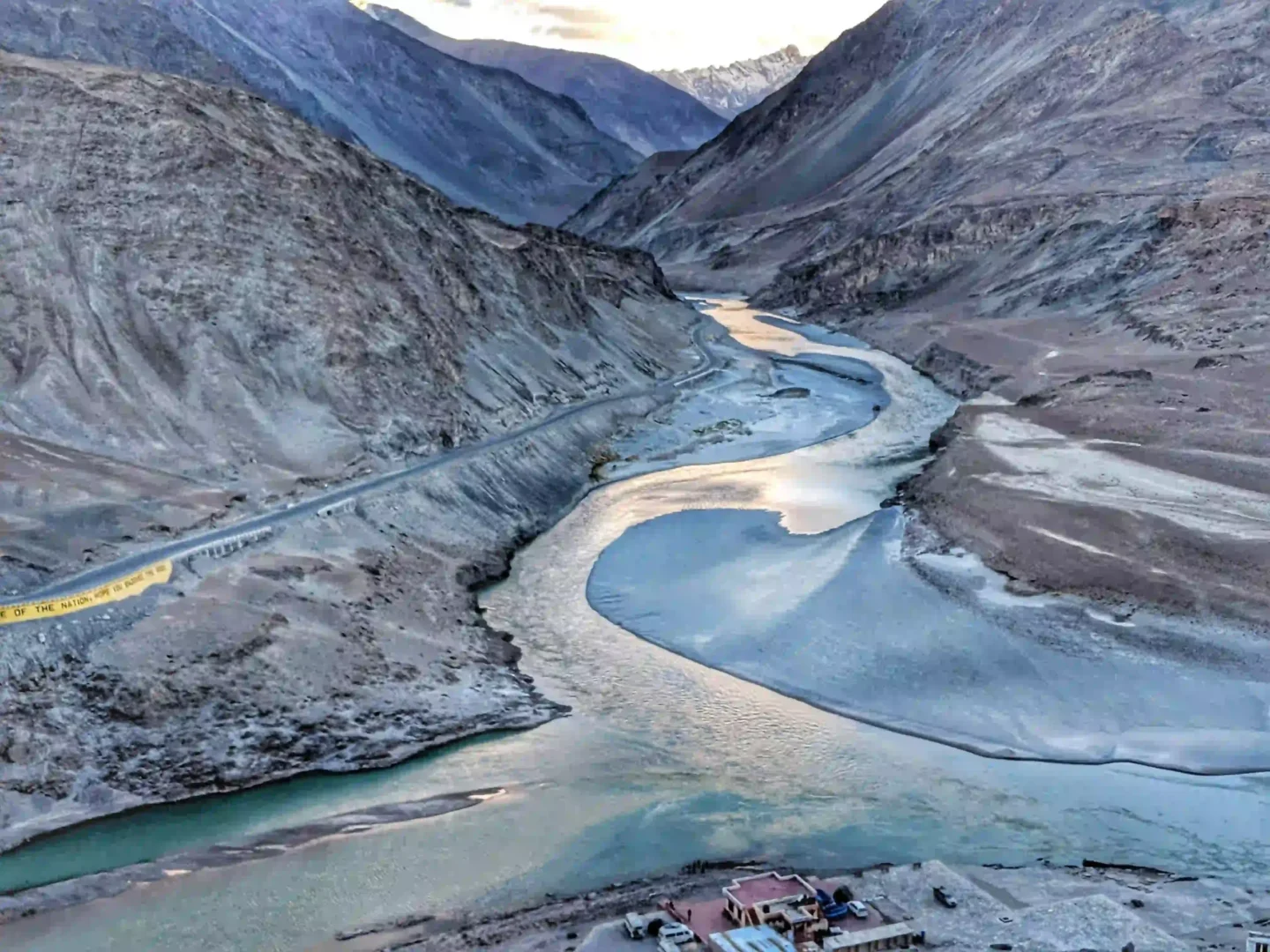
Zanskar sits in the Kargil district of Ladakh, separated from the rest of the region by the Zanskar mountain range and drained by the Zanskar River. Historically, this was an independent Buddhist kingdom, ruled from two royal seats — Padum and Zangla — long before it was absorbed into the wider Ladakhi political sphere. That dual-capital history is still visible today; Padum remains the administrative centre of Zanskar Valley Ladakh, while Zangla retains the ruins of its old royal palace.
What makes the valley genuinely different from the rest of Ladakh is isolation. The high Penzi La pass blocks the main road for roughly eight months of the year, and outside the short summer window, Zanskar Valley Ladakh effectively cuts itself off — no flights, minimal road access, and a landscape that stays this raw specifically because so few people manage to reach it.
How to Reach Zanskar Valley: Three Routes Worth Knowing
Getting into Zanskar Valley Ladakh takes real planning, and which route you pick shapes the whole trip:
- Via Srinagar–Kargil–Padum — the classic, most established route into Zanskar Valley Ladakh. Srinagar to Kargil is roughly 200 km (8–9 hours) via Zoji La, and Kargil to Padum adds another 235–240 km (10–12 hours) via Pensi La. Most first-timers do this in two legs with an overnight in Kargil, since it lets you acclimatize gradually before pushing into higher terrain.
- Via Leh–Nimmu–Padum–Darcha (the new road) — opened in 2020, this route connects Leh directly to Padum without detouring through Kargil, running roughly Leh → Khaltse → Wanla → Sir Sir La → Photoksar → Singe La → Lingshed → Zangla → Padum. Sections past Wanla are largely dirt track rather than paved road, but for travelers already based in Leh, it’s the more direct option — and it conveniently passes right through Zangla on the way in.
- Via Manali–Darcha–Shinku La — also opened in 2020, this route crosses the Shinku La pass at around 16,580 ft, linking Himachal’s Lahaul Valley to Zanskar. It’s the pick for travelers combining a Manali-side trip with Zanskar rather than approaching from Kashmir or Leh.
Whichever route you choose, fuel up before you leave — there are no petrol pumps anywhere in Zanskar Valley Ladakh beyond Padum itself, and that includes the entire stretch back out toward Kargil, Leh, or Manali. This single logistical detail catches more first-time visitors off guard than anything else about planning a trip here.
🚙 Plan Your Rugged Zanskar Expedition & Phugtal Trek
Navigate Zanskar’s tough mountain terrain with our high-clearance 4×4 vehicles, veteran mountain drivers, fuel logistics, and authentic Padum homestay bookings.
👉 Explore Offbeat Ladakh Tour Packages | Customize Your Zanskar Route
Padum: The Capital of Zanskar Valley
Padum sits at around 3,669 m (roughly 12,000 ft) and functions as the region’s only real town in Zanskar Valley Ladakh — the base almost every visitor uses before heading further out. It has the area’s sole hospital, a small local market, reasonably reliable Jio and BSNL network (better than you’d expect this deep into Ladakh), and enough guesthouses to cover a short stay comfortably.
Most itineraries treat Padum as a hub rather than a destination in itself: you arrive, acclimatize for a day if needed, then use it as a launch point for Phugtal, Zangla, and the surrounding monasteries. Karsha Monastery, the largest in the entire region, sits close enough to Padum for an easy half-day visit, and Sani Gompa — linked by local tradition to the 2nd-century Kushan ruler Kanishka — is a short drive away on the road toward Kargil.
Phugtal Monastery: Zanskar’s Cave Monastery
If one single place justifies the trip to Zanskar Valley Ladakh on its own, it’s Phugtal. Founded in the 11th century by the translator Phagspa Sherab Zangpo, Phugtal (also spelled Phuktal) Monastery is built directly into a natural cave in a cliff face in the remote Lungnak Valley — there’s no road access at all, which is a large part of why it still feels so untouched.
The trek to Phugtal starts from Purne village and runs roughly 7 km each way, taking about 2.5 to 3 hours depending on your fitness and how many photo stops you take along the rugged mountain trail. Inside, the monastery houses a small monastic community, centuries-old murals, scriptures, and meditation caves carved into the rock itself. It’s remote enough that you should carry your own supplies and be genuinely prepared for high-altitude trekking conditions — this isn’t a casual add-on stop.
Zangla: The Other Royal Capital
Zangla was, alongside Padum, one of the two seats of the old Zanskar Kingdom, and it’s a noticeably quieter alternative if Padum starts to feel like the main tourist stop. The ruined Zangla Palace still stands above the village, and a handful of homestays here offer a genuinely local look at Zanskari life that Padum’s slightly busier centre doesn’t quite match anymore. Travelers taking the newer Leh–Nimmu–Padum–Darcha road pass directly through Zangla on the way in, making it an easy, worthwhile stop rather than a detour — one of the more rewarding quick stops on any Zanskar Valley Ladakh itinerary.
Other Monasteries Worth the Detour
Beyond Karsha, Sani, and Phugtal, a handful of smaller gompas round out a longer Zanskar Valley Ladakh itinerary: Stongdey Monastery, reachable in roughly 5 hours on foot from Padum as a standalone trek; Dzongkhul Monastery, tucked into a cliffside further along the Kargil road; and Stakrimo and Pibiting Gompa, both easy add-ons if you’re already spending an extra day around Padum.
Best Time to Visit Zanskar Valley
June to September is the only realistic window for a standard road trip into Zanskar Valley Ladakh, with July and August as peak months when both Pensi La and the newer Leh–Padum road are fully open. Outside this stretch, Zanskar Valley Ladakh becomes largely inaccessible by vehicle as snow closes the high passes.
Winter brings a completely different, far more extreme way in: the famous Chadar Trek, walking across the frozen Zanskar River itself. It’s an entirely different kind of trip — physically demanding, requiring specialised gear and an experienced guide — and shouldn’t be confused with the standard summer Zanskar itinerary this guide covers.
Practical Tips Before You Go
A handful of practical points make the difference between a smooth Zanskar Valley Ladakh trip and a stressful one:
- Acclimatize in Leh first, even if you’re approaching via Kargil rather than Leh directly — Padum’s altitude alone is enough to cause problems if you arrive without any adjustment period.
- Medical care is limited. Padum’s hospital is the only proper facility in the entire valley; anything serious means a long drive back toward Kargil or Leh.
- Permit requirements shift. Zanskar itself generally doesn’t require a separate Inner Line Permit for domestic travelers, but rules around Kargil-district border areas do occasionally change — worth confirming current requirements before you travel rather than assuming.
- Network coverage is better than expected in Padum, but drops off almost entirely once you’re out toward Phugtal, Zangla, or the smaller villages.
Zanskar Valley Trip Cost Breakdown
A trip through Zanskar Valley Ladakh costs more in time than money, but here’s a realistic budget range:
| Item | Approximate Cost |
|---|---|
| Shared cab (Leh or Manali to Padum) | ₹2,500 per person |
| Shared cab (Kargil to Padum) | ₹2,200 per person |
| Private vehicle (Kargil–Padum, round trip) | Varies by vehicle and duration |
| Guesthouse/homestay in Padum or Zangla (per night) | ₹1,000–2,500 including meals |
| Phugtal Monastery trek guide (recommended) | Arranged locally in Purne |
Treat these as planning ranges — Zanskar’s remoteness means prices shift more with season and availability than almost anywhere else in Ladakh.
Why Visit Zanskar Valley Ladakh with Travel Nerve Kashmir
Zanskar Valley Ladakh isn’t a place to figure out on the fly — road conditions, fuel stops, and acclimatization all need real planning, which is exactly what we handle for guests adding it onto a wider Ladakh trip. If you’re also considering Ladakh’s other remote lakes, our Tso Moriri Lake & Karzok Village guide covers a similarly offbeat destination worth pairing with a Zanskar trip if your schedule allows.
Before you go, our complete packing list for high-altitude Ladakh trips and Ladakh road trips and high-altitude routes guide are both essential reading given how remote this route actually is. Our Leh Ladakh Tour Packages page covers standard itinerary lengths, and if budget is a concern, our Ladakh on a Budget guide shows how to plan a longer trip without overspending. Browse the rest of the region on our destinations page.
Frequently Asked Questions
How far is Zanskar Valley from Leh?
Via the newer Leh–Nimmu–Padum road, it is roughly 240 km and can be completed in a single long day’s drive (10–12 hours) if you start early. Via the classic Kargil route (~450 km total), plan on at least two full driving days with an overnight stop in Kargil.
Do I need a permit to visit Zanskar Valley?
Domestic Indian travelers generally do not need an Inner Line Permit (ILP) for Padum and the standard central Zanskar circuit. Foreign nationals require Protected Area Permits (PAP), and all travelers should verify current Kargil-district border checkpoint regulations before departing Leh.
What is the best time to visit Zanskar Valley?
The best time is from June to September. July and August offer the most reliable window when all high-altitude mountain passes (including Pensi La and Shinku La) are completely snow-free and accessible.
Is the Phugtal Monastery trek difficult?
The trek covers roughly 7 km each way from Purne village and takes about 2 to 3 hours over a rugged mountain trail. It is moderately paced and manageable for fit travelers, though the high altitude (over 3,800 meters) makes proper hydration and acclimatization necessary.
Is Zanskar Valley safe for first-time Ladakh travelers?
Yes, but it offers far less margin for error than commercial hubs like Nubra or Pangong. Given the extreme remoteness, sparse fuel availability, and distance to major hospitals, travelers must complete at least 2 full days of acclimatization in Leh before making the journey.
Plan Your Zanskar Valley Trip
Ready to add Zanskar Valley Ladakh — Padum, Phugtal, and Zangla — to your itinerary? Contact us or message us on WhatsApp with your travel dates, and we’ll plan the Zanskar Valley Ladakh route, the fuel stops, and the acclimatization schedule this trip genuinely needs.