
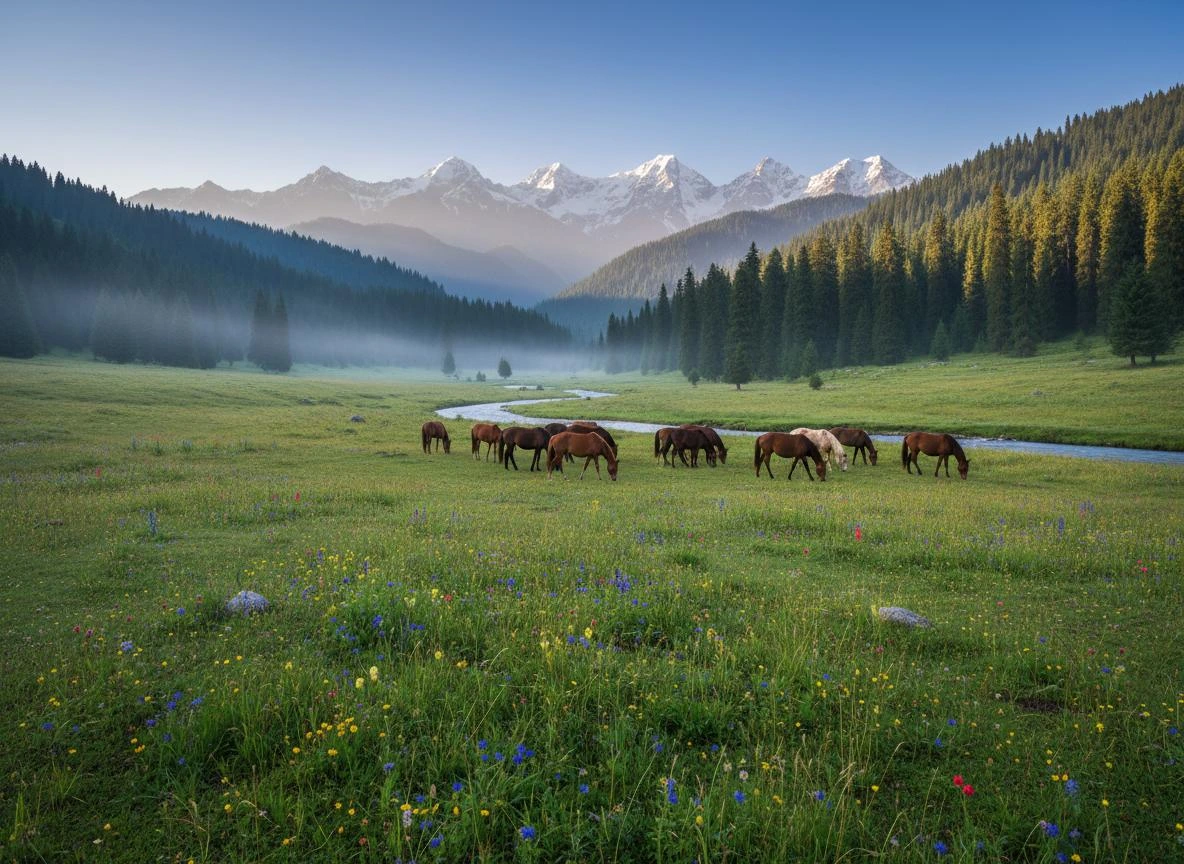
Twelve kilometres from Pahalgam, the road stops feeling like a road and turns into a corridor between pine trees, with the Lidder River running beside it the whole way. That is Aru Valley Kashmir, a meadow-and-mountain village in Anantnag district that many tourists only hear about after they have booked Pahalgam, when someone mentions, almost in passing, that there is somewhere quieter just up the road. This guide covers how to plan a visit to Aru Valley Kashmir: when to go, how to get there, what the treks involve, where to sleep, and what foreign travellers and winter visitors should know.
For the bigger picture, our Kashmir travel guide shows how Aru fits into a full itinerary, and our roundup of offbeat places in Kashmir puts it next to the valley’s other quiet corners.
Where Is Aru Valley Kashmir and Why It Matters
Aru Valley Kashmir sits about 12 km upstream from Pahalgam and roughly 100 km from Srinagar, at around 2,400 m (7,900 ft) on the Lidder River. It lies inside the Overa-Aru Wildlife Sanctuary, a protected forest area that also shelters wildlife including the endangered hangul, or Kashmir stag. Many people see Aru Valley Kashmir as an extension of Pahalgam, but it works better as its own stop. Aru Valley Kashmir is a small village with wooden houses, grazing shepherds, wide meadows and a river that runs clear and cold. It is also the launch point for some of the best high-altitude treks in Kashmir.
| Quick fact | Detail |
|---|---|
| District | Anantnag, Jammu and Kashmir |
| Nearest town | Pahalgam, 12 km (30 to 45 minutes by road) |
| From Srinagar | About 100 km (roughly 3 to 3.5 hours via Anantnag) |
| Altitude | About 2,400 m / 7,900 ft |
| River | Lidder (the Aru stream joins it) |
| Known for | Meadows, Kolahoi Glacier and Tarsar-Marsar treks, horse rides, camping, trout fishing |
| Entry | No fee at the valley itself; you pay for the taxi |
How to Reach Aru Valley Kashmir
By air: The nearest airport is Sheikh ul-Alam International Airport in Srinagar, about 95 km from Pahalgam and roughly 105 km from Aru. It connects to Delhi, Mumbai, Bengaluru and most other major Indian cities, and several international guests also route through Delhi.
By rail: Jammu Tawi is the nearest major railhead, around 300 km from Pahalgam. From there you need a taxi to Srinagar or straight to Pahalgam, which adds many hours. Most visitors prefer to fly.
By road: From Srinagar, Pahalgam is a 2.5 to 3.5 hour drive. From Pahalgam, Aru Valley Kashmir is another 30 to 45 minutes on a narrow, scenic road through forest and beside the Lidder.
The union taxi rule
This is the part most guides skip. The inner valleys around Pahalgam, including Aru, Betaab Valley and Chandanwari, are served by a local union taxi system. Outside cars and taxis from Srinagar are generally not allowed to take guests up to Aru, so you leave your own vehicle or Srinagar cab at the Pahalgam taxi stand and hire a local taxi from there. The rule is local and can change, so we confirm it before every trip.
Rates are set by the local taxi union and change by season. As a rough guide, a single stop such as Aru costs about Rs 1,500 to Rs 1,800 for the taxi, and the combined Aru, Betaab and Chandanwari circuit costs about Rs 2,300 to Rs 3,000 for the day. There is no reliable public bus into the valley. Ask for the current rate list at the stand, and agree on the stops before you leave.
Distances from key places
| From | Distance | Typical time |
|---|---|---|
| Pahalgam taxi stand | 12 km | 30 to 45 minutes |
| Betaab Valley | About 20 km | 45 to 55 minutes |
| Chandanwari | About 28 km | 1 to 1.25 hours |
| Anantnag town | About 55 km | 1.5 to 1.75 hours |
| Srinagar city | About 100 km | 3 to 3.5 hours |
| Srinagar airport | About 105 km | 3 to 3.5 hours |
Best Time to Visit Aru Valley Kashmir
There is no single correct month to visit Aru Valley Kashmir. It depends on what you want from the trip.
Spring (March to May): The snow melts, the meadows turn green and wildflowers appear on the slopes. Days are mild and nights are cold. Fewer crowds than summer, though the road can still carry snow in March.
Summer (June to August): The main season for Aru Valley Kashmir. Daytime temperatures sit between 15°C and 25°C, the meadows are at their greenest and the trekking routes are open. July and August are busiest, so book stays early.
Autumn (September to November): Aru Valley Kashmir turns quieter and cooler, and this is the most photogenic stretch of the year, with hillsides in gold and rust. Trekking is still possible in September and early October, before the high passes close. Our autumn in Kashmir guide shows the colour at its best.
Winter (December to March): Aru Valley Kashmir is a very different place in winter. The meadows are under snow and temperatures can fall below minus 5°C. The road from Pahalgam is often blocked after heavy snow, facilities are shut and access is limited. See the winter section below before you plan around it.
If you are weighing Aru against snow elsewhere in the valley, our guide to the best time to visit Kashmir for snowfall gives a month-by-month view for Srinagar, Gulmarg and Pahalgam.
Aru Valley Kashmir as a Trekking Base
This is what puts Aru Valley Kashmir on the map for serious trekkers. Three routes begin here or pass through it.
Kolahoi Glacier trek: The classic. From Aru the trail runs through Lidderwat and Satlanjan to the base of Kolahoi Peak, the highest point in the Kashmir Valley at over 5,400 m. Expect steep, rocky sections past Lidderwat, and give yourself time to acclimatise. This is not a first-time-hiker trek.
Tarsar-Marsar trek: Widely seen as one of the most beautiful treks in India. It starts from Aru Valley Kashmir and loops through Lidderwat, Shekwas and Sundarsar before reaching the twin alpine lakes of Tarsar and Marsar. Plan for roughly six to seven days, in the July to September window, when the high passes are free of snow. We have mapped more routes like it in our guide to alpine lake treks in Kashmir.
Lidderwat trek: A shorter, easier option if you want a taste of high-altitude scenery without a multi-day expedition. It also connects to both routes above if you want to extend the trip.
Permits and guides
Most Indian nationals do not need a special permit for the standard treks, but some routes inside the sanctuary or near sensitive areas need forest or local clearance. Arrange it through a registered trekking agency in Pahalgam. Foreign travellers should check current permit rules with their agency and on the J&K Tourism website, since requirements change. Book a registered local guide for Kolahoi and Tarsar-Marsar. Trail conditions change fast, and route-finding beyond Lidderwat is not always obvious.
If you would rather have the logistics handled, our 7 Days Kashmir Adventure package is built around trekking and adventure routes in this region.
Things to Do in Aru Valley Kashmir Beyond Trekking
You do not need to be a trekker to enjoy Aru Valley Kashmir. Popular ways to spend a day:
- Horse riding: Pony rides across the meadows are the easiest way to see the valley, and they suit families and older travellers. Agree on the price and the route before you start.
- Camping: Riverside campsites along the Lidder are common for both independent travellers and organised groups.
- Trout fishing: The Lidder is known for trout. April to October is usually the best stretch, and you need a local fishing permit.
- Birdwatching: Look out for the Himalayan monal, golden eagle and black bulbul, especially in summer and autumn.
- Photography: The meadow, the river and the snow peaks behind the village make Aru one of the easiest places to photograph in Pahalgam.
- Short walks: Easy walks along the river and through the village fit well into a half-day stop.
Rafting on the Lidder is a seasonal activity, usually between April and June when snowmelt raises the water, and it is run closer to Pahalgam than Aru itself.
Where to Stay Near Aru Valley Kashmir
Stays in Aru Valley Kashmir are modest compared with Pahalgam. Think small guesthouses, wooden homestays and camps rather than resorts. That is part of the appeal for many travellers. If you want more comfort or a wider choice of hotels, base yourself in Pahalgam and see Aru Valley Kashmir as a day trip. This is the common choice for travellers who are not trekking onward.
If you plan a multi-day trek from here, spending a night in the valley beforehand is worth it. It saves an early taxi ride and lets you start walking with some acclimatisation already done. Our Pahalgam travel guide lists the stay options in town, and we arrange stays in both places when you book with us.
Aru Valley Kashmir in Winter
If you are travelling between December and March, be realistic about this stop. Heavy snow often blocks the road from Pahalgam, facilities in the valley are closed, and the union taxis may not run beyond the snow line. Some years the lower stretch stays open for short periods, and the view is lovely when it does, but you should not plan a fixed day around it. Check road status the same morning, and keep a backup plan in Pahalgam.
What works well in winter is a Pahalgam base. The town gets snow, the Lidder runs partly frozen, hotels are heated and the crowds are thin. Read our Pahalgam in winter guide for what is open, then see the Kashmir winter tour packages and the Kashmir in winter guide for the full picture. Pack for the cold with our Kashmir winter packing guide. Winter days are short, with dark by about 5 pm, so start early and finish drives before dusk.
Aru Valley Kashmir for Foreign Travellers
Aru Valley Kashmir is a good fit for international visitors who want mountains without a long expedition. A few points make the trip smoother.
- Visa: Carry a valid Indian visa matched to your purpose of travel. Apply through the official Indian e-Visa portal.
- Hotel registration: Hotels, houseboats and homestays hosting foreign guests must register them through the FRRO system (Form C). We only arrange stays that follow this rule.
- Permits: Pahalgam and Aru do not need a separate permit for a normal day trip, but trekking and border-area rules can differ, so confirm with your agency before you go. Our guide for foreign tourists in Kashmir explains the basics.
- Money: Carry cash. Cards often fail in small shops, and there are no ATMs in the valley itself.
- Connectivity: Ask before you buy a SIM. Network is patchy past Pahalgam.
- Insurance and advice: Check your own government’s travel advice for the route, and make sure your insurance covers trekking and high-altitude walking.
- Food: Mention allergies and diet needs when you book. Pahalgam has vegetarian options, but the valley itself has basic menus.
- Arrival: Most foreign guests fly into Delhi and take a domestic flight to Srinagar. We arrange a pickup at the airport.
Aru, Betaab or Chandanwari: Which Should You Pick?
Visitors often ask whether Aru is worth the extra drive when Betaab and Chandanwari are on the same circuit. Betaab is the easiest, a landscaped meadow close to Pahalgam with food stalls and little walking. Chandanwari is the highest and coldest of the three, with snow you can touch well into early summer, and it is the starting point of the Amarnath Yatra. Aru is the quietest and the most natural. It is smaller and less polished, with a village, forest and river that feel like real mountain life. If you only have time for one, choose Aru for scenery and Betaab for convenience. If you have a full day, do all three in one union taxi loop.
How Long to Stay and a Sample Day
Most visitors give Aru Valley Kashmir half a day as part of the Pahalgam circuit. That works, but a full day lets you walk, eat slowly and not watch the clock. Here is a simple plan from Pahalgam:
- 9:00 AM: Pick up your union taxi at the Pahalgam stand and drive up to Aru, about 30 to 45 minutes.
- 10:00 AM: Walk along the river and across the meadow while the light is soft and the crowds are thin.
- 12:00 PM: Take a pony ride or a short forest walk. Have lunch at a basic local eatery or carry your own packed lunch.
- 2:00 PM: Head down to Betaab Valley for an easy afternoon stop.
- 4:00 PM: Return to Pahalgam before the light fades. In winter, leave Aru by 3:00 PM.
If you plan to trek, stay at least one night in the valley first, so your body adjusts to the altitude and you start the walk fresh. Travellers heading to Kolahoi or Tarsar-Marsar should also allow a spare day at the end for weather delays. The valley sits at a lower altitude than the lakes, but the trail climbs fast once you pass Lidderwat.
Travel Tips for Aru Valley Kashmir
- Network: Coverage is patchy. BSNL postpaid tends to work best, and you should not count on a signal beyond Pahalgam.
- Cash: Carry cash. ATMs and fuel stops are in Pahalgam, not in the valley.
- Layers: Pack warm clothes in every season. Even in summer, evenings get cold fast at this altitude. Check the forecast with the India Meteorological Department.
- Guides: Hire a registered guide for any trek past Lidderwat.
- Combine stops: Pair it with Betaab Valley and Chandanwari on the same taxi day, or add the quieter spots in our Pahalgam offbeat trails guide.
- Start early: The road narrows past Pahalgam, and our tips for avoiding tourist crowds in Kashmir apply here as much as in Gulmarg.
- Keep it flexible: Access rules, taxi routes and some viewpoints change from season to season. We confirm what is open before it goes into your plan.
Plan Aru Valley Kashmir With Travel Nerve Kashmir
You can see Aru Valley Kashmir as a stop on a longer Kashmir trip or as a focused Pahalgam stay. Our Pahalgam tour packages include stays in and around Pahalgam, with the union taxi circuit arranged for you. If you want Srinagar, Gulmarg and Pahalgam in one plan, see our Srinagar Gulmarg Pahalgam tour package. Short on days? Our 4 Nights 5 Days Kashmir Tour Package covers the main hubs, and our Kashmir family tour package suits groups with children or older travellers. To compare costs first, read our Kashmir trip cost for 5 days breakdown.
If you would like a fully tailored plan, see our customised Kashmir holiday packages, or read the Kashmir tour package booking guide to see how we confirm a trip. For comfort at the top end, our luxury Kashmir tour packages pair Pahalgam with premium stays. Our top 30 Kashmir travel FAQs answer the other questions we hear most, and our Doodhpathri guide and Sonamarg guide are good add-ons.
We are a Srinagar-based team with phone and WhatsApp support throughout your trip. You can read more about our team and why we are a local tour operator in Srinagar. Send us your dates, group size and trek plans through our contact page, or call or WhatsApp us on +91 84920 85895.
For official updates, check the Jammu and Kashmir tourism department before you travel. To see photos and read reviews from past travellers, visit our Google Business profile.
Frequently Asked Questions
Is Aru Valley worth visiting if I’m not trekking?
Yes. The meadows, river views, and pony rides are enough of a reason on their own — plenty of visitors treat it as a half-day or full-day trip from Pahalgam without doing any of the treks.
How far is Aru Valley Kashmir from Pahalgam?
About 12 km, which takes roughly 30–45 minutes by taxi on a scenic but narrow road.
Is there an entry fee for Aru Valley?
No general entry fee for the meadows themselves, though specific treks or camping inside the wildlife sanctuary may involve separate charges.
What is the best month to visit Aru Valley Kashmir for trekking?
June through September gives you the most stable trail conditions for Kolahoi Glacier and Tarsar-Marsar, with July and August being the busiest.
Do I need a permit to visit Aru Valley Kashmir?
Most Indian travellers don’t need a permit for the valley itself or standard treks. Some restricted routes and foreign nationals may have additional requirements, so it’s worth checking with a local trekking operator ahead of time.
Final Thoughts
Aru Valley Kashmir works whether you’re coming for one afternoon of pony rides by the river or a five-day trek to Tarsar-Marsar. It’s close enough to Pahalgam to add on without much planning, and remote enough to feel like a genuine break from the more crowded parts of Kashmir tourism. If you’re building out a longer itinerary, browse the rest of our Kashmir destinations — Doodhpathri pairs especially well with a trip out this way — or get in touch and we’ll help you plan the rest of the trip around Aru Valley Kashmir.