
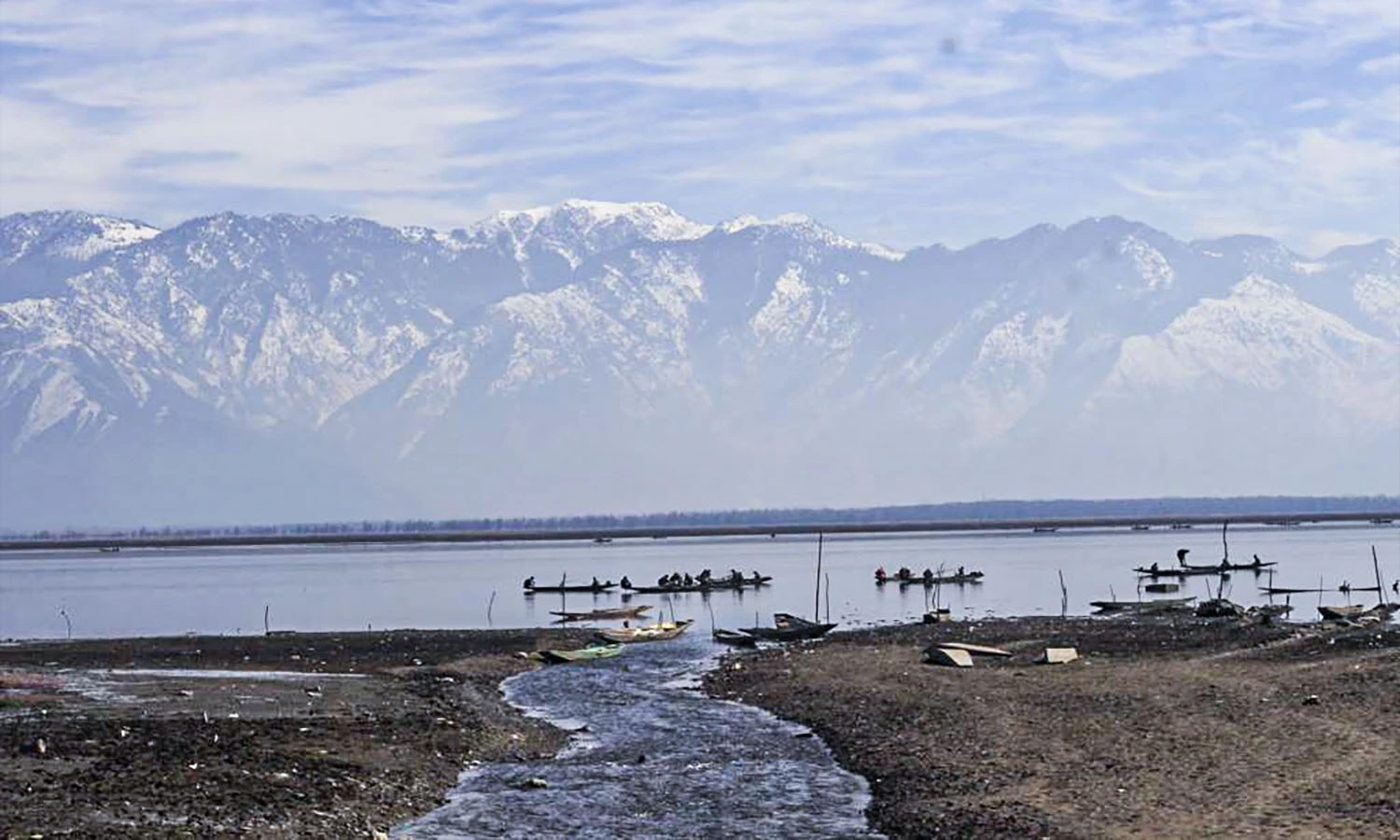
I still remember the first time a lake in Kashmir caught me off guard. It was not Dal Lake, and not anything you would find on a postcard, but a small, glassy pool somewhere past Sonamarg that our guide casually mentioned “most people don’t even know exists.” That is the thing about unexplored alpine lakes trekking routes in Kashmir: the valley’s famous name pulls crowds towards the same five places, while some of its most striking water sits an extra day’s walk away, mostly ignored.
This guide is for trekkers who want that extra day. Below is what we at Travel Nerve Kashmir consider the real, current list of unexplored alpine lakes trekking routes in Kashmir. Some are genuinely remote, some are just overlooked, and all are worth the legwork. To see where these trails sit among the wider region’s quieter corners, our roundup of offbeat places in Kashmir is a good companion read, and our complete Kashmir travel guide covers the rest of the valley.
Why Unexplored Alpine Lakes Trekking Routes in Kashmir Are Worth the Effort
Kashmir has more alpine lakes than almost anywhere else in the Indian Himalayas, and most travellers only ever see the handful that show up in every brochure. The unexplored alpine lakes trekking routes in Kashmir sit a bit further out: a longer approach, sometimes a rougher trail, occasionally a village guide who knows the way better than any map does.
What you get in return is quiet. There is no queue for a photo and no crowd noise carrying across the water, just you, the wind and a lake that looks as if it has not changed in a hundred years.
Unexplored Alpine Lakes Trekking Routes in Kashmir: Trailheads at a Glance
Here is a quick way to see where each of the unexplored alpine lakes trekking routes in Kashmir begins and who it suits. Durations are typical group itineraries, and your own pace and weather will change them.
| Trek | Trailhead | Typical length | Best suited to |
|---|---|---|---|
| Nafran Valley and Harnag Lake | Aru, near Pahalgam | About 5 days | Experienced trekkers |
| Durinar Lakes | Sarbal, near Sonamarg | 3 to 4 days | Experienced, high-altitude trekkers |
| Yemsar and Khemsar Lakes | Kulan, Sindh valley | 1 to 2 days, very steep | Experienced trekkers |
| Kausarnag Lake | Aharbal, Kulgam | About 5 days | Experienced trekkers |
| Tarsar and Marsar | Aru, near Pahalgam | About 6 to 7 days | Stamina-ready trekkers |
| Kashmir Great Lakes | Sonamarg to Naranag | 7 to 8 days, about 70 km | Stamina-ready trekkers |
| Bodpathri Lakes | Doodhpathri, Budgam | About a week | Trekkers with some Himalayan experience |
| Tulian Lake | Baisaran, Pahalgam | Short trek | Fit beginners with a guide |
Nafran Valley and Harnag Lake
If one trek captures what unexplored alpine lakes trekking routes in Kashmir are really about, it is Nafran Valley. The trail begins near Aru Valley, then follows a river through dense pine and deodar forest before opening into meadows. It stays remarkably untouched. The rivers are still clean, and you will likely share the trail with grazing shepherds rather than other trekkers.
The highlight is Harnag Lake, with a nearby viewpoint over Kolahoi Glacier, the largest glacier in the Kashmir Valley. Serious trekkers can continue to the higher, quieter Harbhagwan Lake, passing old bunkers along the border-adjacent route. Because this area is close to the Line of Control, go with a local guide and let us confirm the current rules before you travel.
Durinar Lakes, Sonamarg
Durinar might be the most literal “unexplored” entry on this list. The trek starts from Sarbal, often called the last village of Kashmir, and climbs from the meadows above Sonamarg to three alpine lakes: Durinar I, Durinar II (also known as Nilnag), and finally Durinar III, also called Barafsar, at around 4,600 metres. It is often described as the highest lake in the Kashmir Valley.
Among the unexplored alpine lakes trekking routes in Kashmir, this trail is poorly marked and has only recently gained attention, which is why serious trekkers keep gravitating towards it. The steep final push to Durinar III needs proper acclimatisation. In return, you get sweeping views of the Lidder and Sindh valleys, Zoji La and Kolahoi Peak. If you are staying in Sonamarg first, read our Sonamarg guide to plan the base days.
Yemsar and Khemsar Lakes
Rugged is the right word here. Yemsar and Khemsar are two untouched lakes at roughly 3,700 metres, reached from the village of Kulan through a very steep climb that gains well over 1,500 metres. It is part of the more obscure unexplored alpine lakes trekking routes in Kashmir that do not see the footfall better-known treks do. Fit local groups sometimes do it as a long day, but most visitors should plan it as an overnight with a guide.
One naming note saves confusion. Gadsar Lake on the Great Lakes trek is also called Yemsar in some books and websites. The Yemsar and Khemsar pair near Kulan is a different trek, so check which one a trek operator means before you book. If you want the feeling of finding somewhere before it ends up on everyone’s feed, this pair delivers it in a way few remaining trails in Kashmir still can.
Kausarnag Lake
Kausarnag sits in the Pir Panjal range, further south than most Kashmir trekking routes, and that alone keeps it among the quieter unexplored alpine lakes trekking routes in Kashmir. The trek starts at the road-head near Aharbal Waterfall in Kulgam district and climbs through the Kungwattan and Mahinag campsites. It is a longer, more demanding trek, so plan about five days, through terrain that shifts from forest to open alpine slopes.
The lake itself, ringed by steep ridgelines, has a wilder, more austere feel than the greener lakes further north, and floating ice often lingers on its surface well into summer.
Tarsar and Marsar: The Semi-Popular Middle Ground
Tarsar and Marsar are not exactly secret any more, but they still belong on a serious list of unexplored alpine lakes trekking routes in Kashmir, mostly because so few people finish the loop. Starting from Aru Valley near Pahalgam, the trail follows the Lidder River to Lidderwat and then climbs to Tarsar Lake at about 12,500 feet, its surface often mirroring the ring of mountains around it on a still morning.
Marsar, the second lake, needs more effort and altitude gain, and many trekkers stop at Tarsar and skip it. That is exactly why Marsar stays quieter than its more photographed twin.
Kashmir Great Lakes: The Big One, Done Slightly Differently
The Kashmir Great Lakes trek is the best-known multi-lake route in the region. It strings together Vishansar, Krishansar, Gadsar, Satsar, Gangabal and Nundkol between Sonamarg and Naranag over roughly seven to eight days and about 70 kilometres, crossing Gadsar Pass at about 4,190 metres.
It is popular enough that it does not quite count as unexplored on its own, but there are quieter ways to do it. Extending towards Gangabal and Nundkol at the base of Mount Harmukh, or choosing the shoulder weeks of early July or September rather than peak July and August, turns even this well-known route into something closer to the solitude that draws people to unexplored alpine lakes trekking routes in Kashmir in the first place.
Bodpathri Lakes: A New Multi-Day Trail
Bodpathri is one of the newer routes, opened to trekkers only in recent years. It starts at Doodhpathri in the Pir Panjal and passes six alpine lakes, including Gurwansar, Pamsar and Bodsar, with a high point of about 13,000 feet. Operators grade it as moderately difficult and plan roughly a week, with vast open meadows as the highlight.
It is not a short walk, so do not treat it as a beginner day trip. If you only want a taste of the area, start with our Doodhpathri guide and our Doodhpathri day trip itinerary instead, and keep the full trail for another trip.
Shorter Walks Before the Longer Unexplored Alpine Lakes Trekking Routes in Kashmir
Not every lake needs a week of hiking. If you want a taste without committing to an expedition, try Tulian Lake near Pahalgam. It starts from Baisaran and is one of the shortest of the unexplored alpine lakes trekking routes in Kashmir, manageable for fit beginners with a guide. Access to Baisaran has changed more than once in recent seasons, so we confirm the current status before it goes into your plan. If the quieter side of Pahalgam appeals, our guide to Pahalgam’s offbeat valley trails and hidden viewpoints covers more low-key walks, and the Pahalgam travel guide explains the base town.
For a first night under canvas, our Bangus Valley camping and trekking guide is another gentle way to build trail confidence. These walks are good starting points if you are building towards the longer, more remote unexplored alpine lakes trekking routes in Kashmir on this list.
How to Choose Between the Unexplored Alpine Lakes Trekking Routes in Kashmir
Start with the number of days you really have, then match it to your fitness. If you have two or three days, choose Tulian or a Durinar trip with a guide. If you have a week, Tarsar-Marsar, Bodpathri or the Kashmir Great Lakes are the best fits. If you want the quietest water and can handle steep ground, pick Yemsar-Khemsar, Kausarnag or Nafran.
Ask yourself three questions before you decide. How many days of altitude have I done before? Am I comfortable camping in cold, wet weather? And do I want company or solitude? Honest answers keep the unexplored alpine lakes trekking routes in Kashmir enjoyable instead of exhausting. If you are unsure, tell us your dates and we will suggest a route that fits.
What to Pack for Alpine Lake Treks
Packing for the unexplored alpine lakes trekking routes in Kashmir is closer to a Himalayan expedition than a hotel holiday. Weather changes quickly above 3,500 metres, and nights are cold even in July.
- Layers: thermal base, fleece, down jacket and a waterproof shell
- Waterproof trekking boots with ankle support, broken in before the trip
- Gloves, a warm cap, sun hat and UV sunglasses
- Sunscreen and lip balm, because the sun is strong at altitude
- A headlamp, power bank and offline maps
- A personal first-aid kit, with medicines recommended by your doctor
- A refillable bottle and snacks such as dry fruits and chocolate
Our checklist for high-altitude trips explains the layering system in detail, and most of it applies here.
Camping, Food and Logistics
On most of the unexplored alpine lakes trekking routes in Kashmir, you camp. Operators set up tents, a kitchen tent and a toilet tent, and ponies carry the heavy gear. Meals are usually vegetarian and simple, so tell your guide about allergies and diet early. Mobile networks drop soon after the trailhead, so share your plan with someone at home and download maps first.
Trailhead villages have small shops and basic guesthouses, but supplies are limited, so buy what you need in Srinagar, Pahalgam or Sonamarg. Carry some cash, because cards and UPI often fail. A good operator also arranges permissions, ponies, guides and a safe return plan, which is why the unexplored alpine lakes trekking routes in Kashmir are better done with local help.
A Sample Plan: Srinagar Plus One Lake Trek
You can add a lake trek to a normal Kashmir holiday without making the whole trip about trekking.
- Days 1 to 2: Arrive in Srinagar, see Dal Lake and the Mughal gardens, and acclimatise gently.
- Day 3: Drive to Pahalgam or Sonamarg, depending on your trek.
- Days 4 to 8: Complete your chosen lake trek with a guide and camp crew.
- Day 9: Return to Srinagar, rest and shop for saffron and dry fruits.
- Day 10: Depart, or continue to Gulmarg for views of the Pir Panjal.
We build such plans around your dates, which is where customised trips help most.
Best Time for Unexplored Alpine Lakes Trekking Routes in Kashmir
Most of these routes are at their best from July to mid-September. Snow melt clears the higher passes by early summer, trails firm up, and by September the crowds thin out even on the established routes. Lower walks such as Tulian can open earlier in June, but the high lakes often hold snow into July.
| Month | What to expect |
|---|---|
| June | Lower trails open; high passes still snowy |
| July to August | Wildflowers and the busiest weeks on popular routes; afternoon rain is common |
| September | Clear skies, thinner crowds and cold nights |
| October to November | Early snow can close routes quickly |
| December to May | Snowbound; most of this list is not accessible |
Timing is the biggest factor in any of the unexplored alpine lakes trekking routes in Kashmir, so check the weather with the India Meteorological Department before you set out, and keep a spare day for storms.
Unexplored Alpine Lakes Trekking Routes in Kashmir in Winter
Winter closes almost everything on this list. Heavy snowfall blocks the high routes from around November until the following spring, and avalanche risk is real. That does not mean you have to skip trekking in the cold months. Shorter snow walks near Doodhpathri, Naranag, Marchoi and Pahalgam suit winter, but they need a local guide and proper gear.
If you want the frozen-lake mood without the risk, read about frozen Dal Lake and Kashmir in winter. Our Chillai Kalan guide explains how cold it gets from December 21, and our Kashmir winter tour packages page has snow-season plans. Packing for the cold is covered in our Kashmir winter packing guide. Plan the lake treks for the next summer, and use winter to prepare.
Unexplored Alpine Lakes Trekking Routes in Kashmir for Foreign Trekkers
Foreign trekkers are welcome on these routes, but a bit more planning is needed.
- Visa. Most foreign passport holders need an Indian visa. Apply through the official Indian e-Visa portal and match the visa type to your trip.
- Form C. Hotels and houseboats hosting foreign guests in Srinagar, Pahalgam or Sonamarg must submit Form C through the FRRO website. Book only stays that comply.
- Permissions. Routes close to the Line of Control, such as parts of Nafran and Gurez, may need local permission and the rules change. We confirm them for your dates. Our Gurez Valley guide explains that side of the region.
- Insurance. Check that your policy covers trekking above 4,000 metres and rescue costs. Read your own government’s travel advice before you book.
- Guides and gear. Use a registered local guide, and ask what the camp setup includes. Our page for foreign tourists in Kashmir covers money, SIM cards, food and arrival.
- Cash. Carry rupees. Cards often fail in villages and trailhead towns.
Fitness, Guides and Permits for Unexplored Alpine Lakes Trekking Routes in Kashmir
Difficulty varies a lot across this list. Tulian suits reasonably fit beginners. Tarsar-Marsar, Bodpathri and the Kashmir Great Lakes demand real stamina and several days at altitude. Kausarnag, Nafran, Durinar and Yemsar-Khemsar lean towards experienced trekkers who are comfortable with remote, less-marked terrain.
A local guide is not optional on the more obscure unexplored alpine lakes trekking routes in Kashmir. Trails are not always clearly marked, and some areas near the Line of Control need awareness that only a local operator reliably has. If your trek edges towards border regions like Gurez Valley, permits apply, so sort these well before you land in Kashmir. Our guide to the best time to visit Gurez Valley helps with timing. For the latest official visitor guidance, check the Jammu and Kashmir Tourism website.
A few habits make every trek safer:
- Spend one acclimatisation night below 3,000 metres before climbing high.
- Start early, because afternoon clouds and rain build quickly in the Pir Panjal.
- Carry waterproofs, a warm layer and a headlamp even on short walks.
- Respect the shepherds and keep the lakeshore clean. Carry your waste out.
- Turn back if the weather turns, whatever the schedule says.
Planning Unexplored Alpine Lakes Trekking Routes in Kashmir With Travel Nerve Kashmir
Navigating unexplored alpine lakes trekking routes in Kashmir solo is hard because of camping logistics and changing trail conditions. Travel Nerve Kashmir plans custom treks matched to your fitness level and schedule. Browse our customized Kashmir holiday packages if you want a trek woven into a broader Kashmir trip, or visit our Kashmir tour package booking page to check current dates. If you would rather keep to the quieter side of the valley throughout, our 6-night offbeat Kashmir tour is built around exactly that, and our 7-day Kashmir adventure plan adds rafting and hiking. To skip the busiest spots altogether, read how to avoid tourist crowds in Kashmir.
You can also read what other travellers say about us on our Google Business Profile. Message us on WhatsApp at +91 84920 85895 or use the contact page to start.
If you are extending the trip into Ladakh afterwards, our guide to Ladakh road trips and high-altitude routes is worth a read, and our packing list for high altitude Ladakh trips covers gear that overlaps heavily with what you need here. The Ladakh Tourism website has official guidance for that side.
Some of the best places in Kashmir still are not on the map. Take the extra day, hire a good guide, and let the unexplored alpine lakes trekking routes in Kashmir show you what the brochures leave out.
Which are the best unexplored alpine lakes trekking routes in Kashmir?
The most rewarding quieter routes are Nafran Valley with Harnag Lake, the Durinar Lakes near Sonamarg, Kausarnag Lake in Kulgam, and the remote Yemsar and Khemsar lakes. Tarsar-Marsar and the Kashmir Great Lakes are better known, but you can still find solitude on them by trekking in the shoulder season or finishing the full loop.
What is the best time to trek Kashmir’s alpine lakes?
Late May through early September is the reliable window. Snow clears from the higher passes by early summer, and crowds thin out by September. Heavy snowfall closes most of these routes from late autumn until the following spring.
Which alpine lake treks in Kashmir are suitable for beginners?
Tulian Lake, a one-day trek from Pahalgam via Baisaran, and Bodpathri Lake in Ganderbal district are the easiest options for reasonably fit beginners. Tarsar-Marsar and the Kashmir Great Lakes need real stamina and several days at altitude. Nafran, Durinar, Kausarnag and Yemsar-Khemsar suit experienced trekkers.
Where do these alpine lake treks start, and how high do they go?
Nafran Valley and Tarsar-Marsar start near Aru, close to Pahalgam. Durinar starts from Sarbal near Sonamarg and climbs to Durinar III at around 4,600 meters. Kausarnag starts at Aharbal, and the Kashmir Great Lakes run from Sonamarg to Naranag. Because of the altitude, build acclimatization days into any multi-day itinerary.